

Why Native?
Native trees evolved with the local climate and wildlife. They support insects and birds with food, shelter and nesting that they can’t get from non-natives. They prevent soil erosion, reduce runoff and are adapted to our dry summers and minimally wet winters. They are naturally fire-resistant because of their: thick bark, leathery leaves, low-resin sap, dense canopies that extinguish embers, insulated root systems allow for quick post-fire recovery.
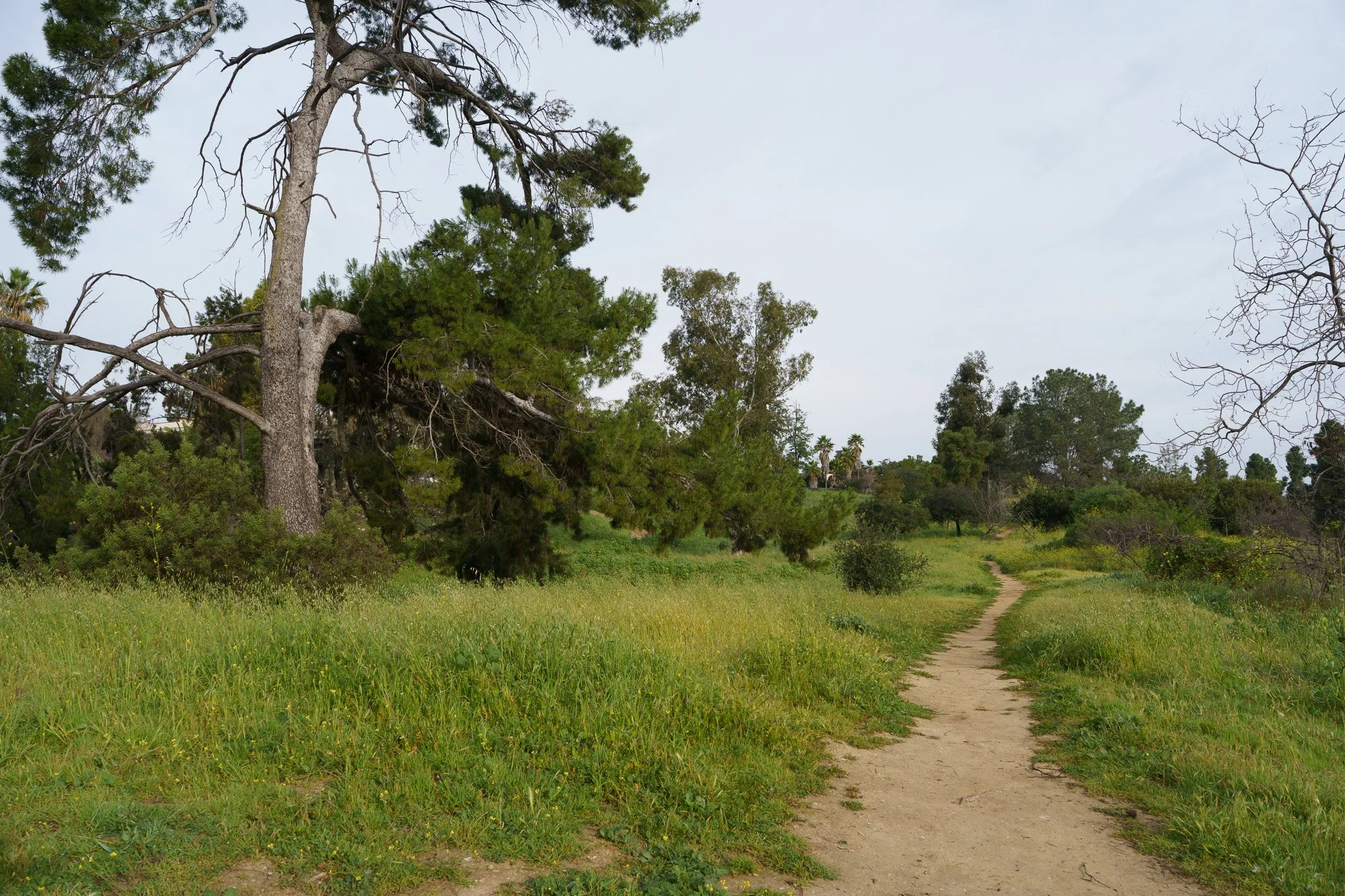
It’s been 140 years since the Elysian Park was established. Now that the invasive eucalyptus trees are reaching the end of their very long lives we finally have the chance to repopulate the park with trees that belong here.
Below are trees that native to Elysian Park, that you can find in the park today.
Climate Classifications:
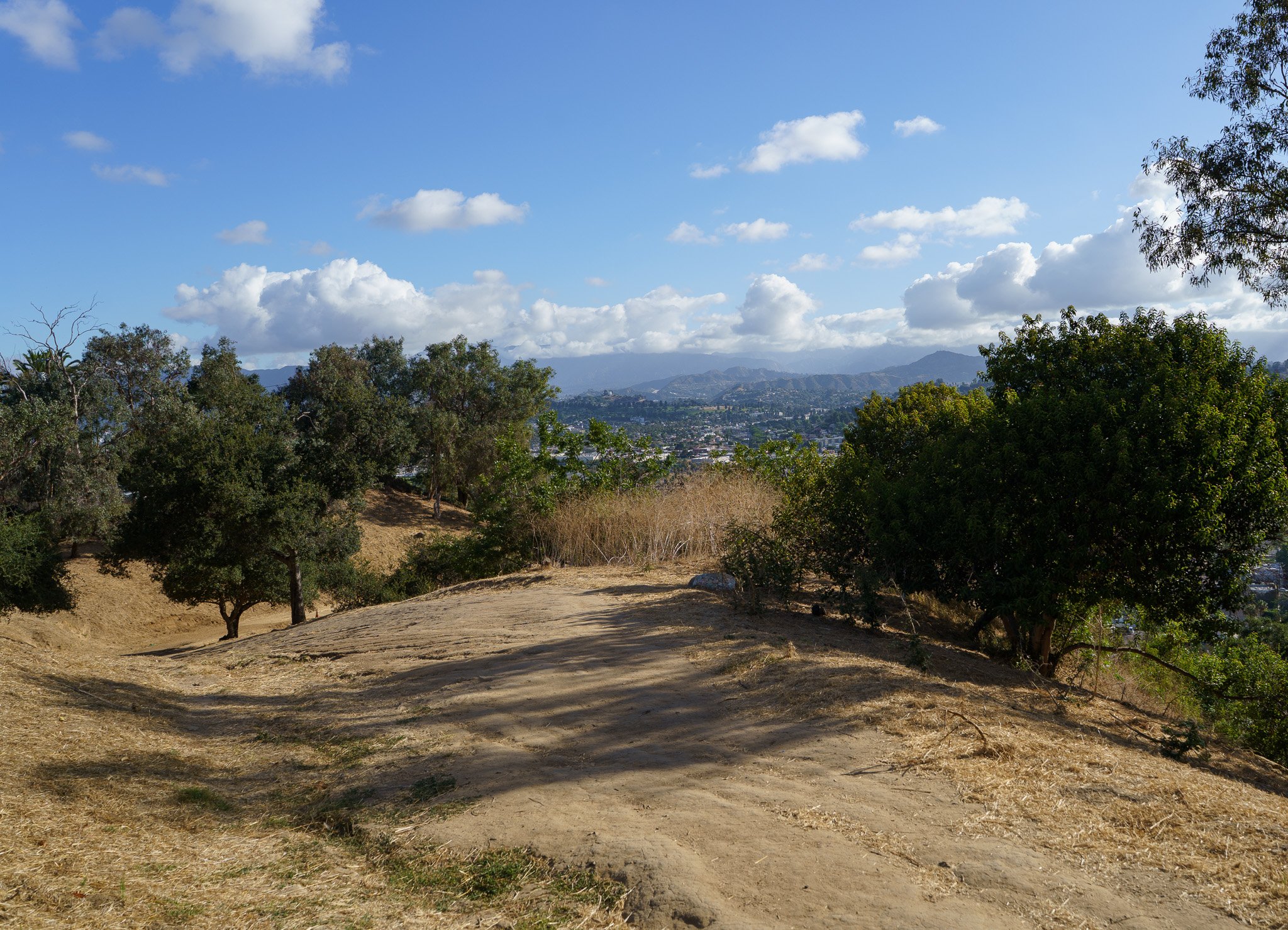
Elysian Park is part of the Southern California Chaparral ecosystem.
USDA Hardiness Zone 10b. (90026 on the west side, 90012 on the east.)
Sunset climate Zone 21 which is a thermal belt in Southern California's ocean-influenced interior valleys, featuring alternating marine air and dry interior winds, and rare mild frosts
(The list below is organized alphbetically.)
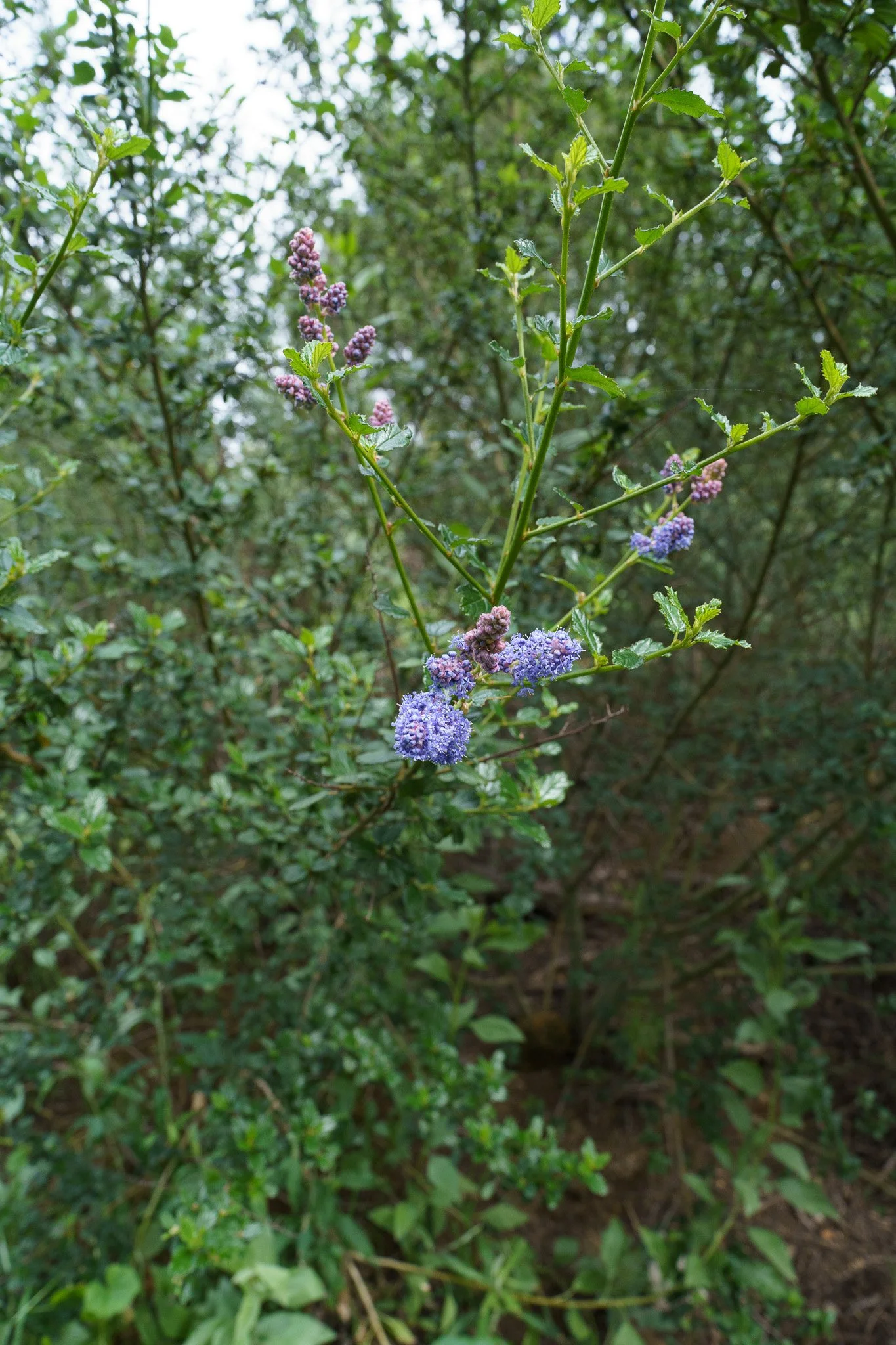
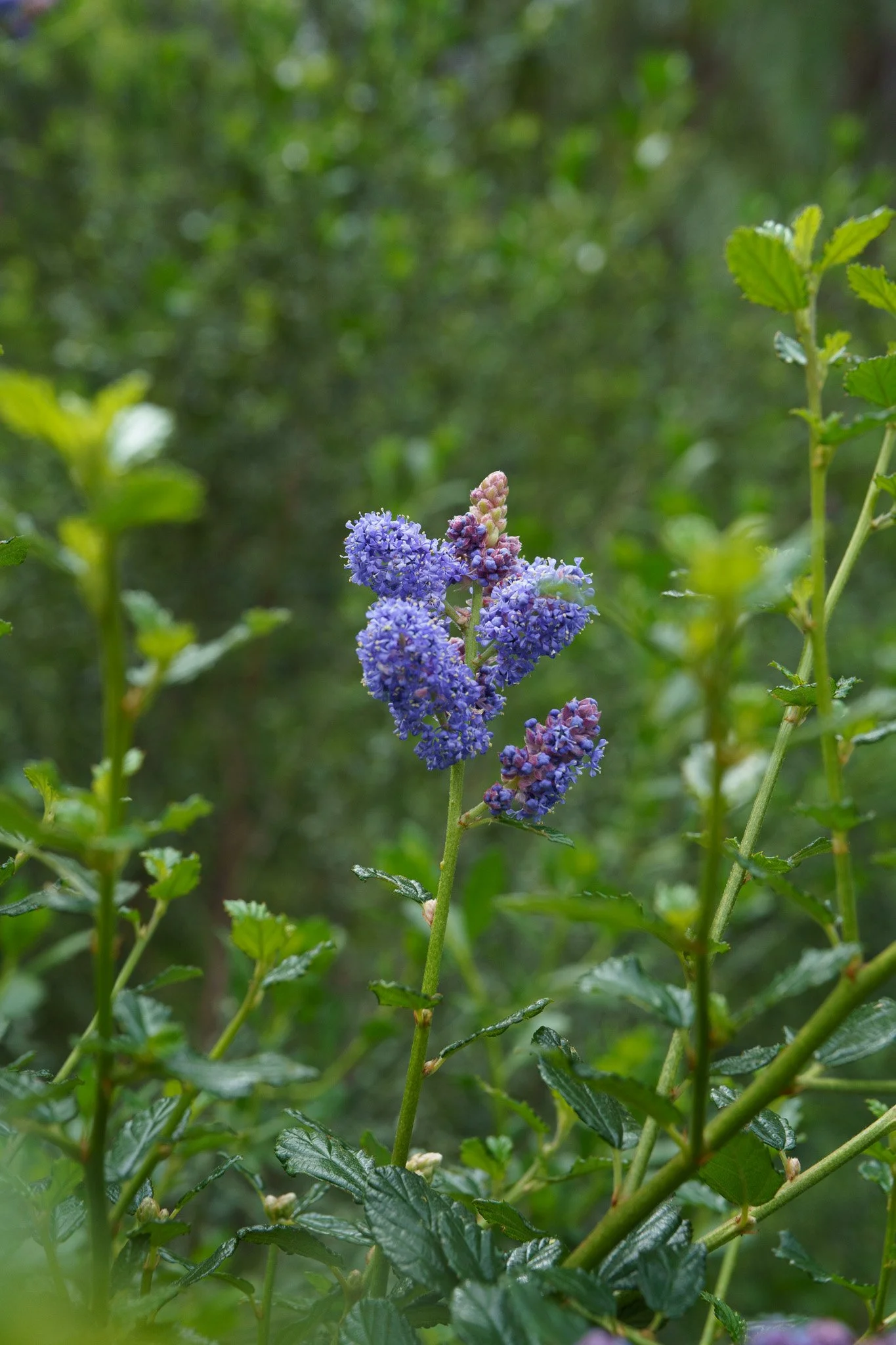
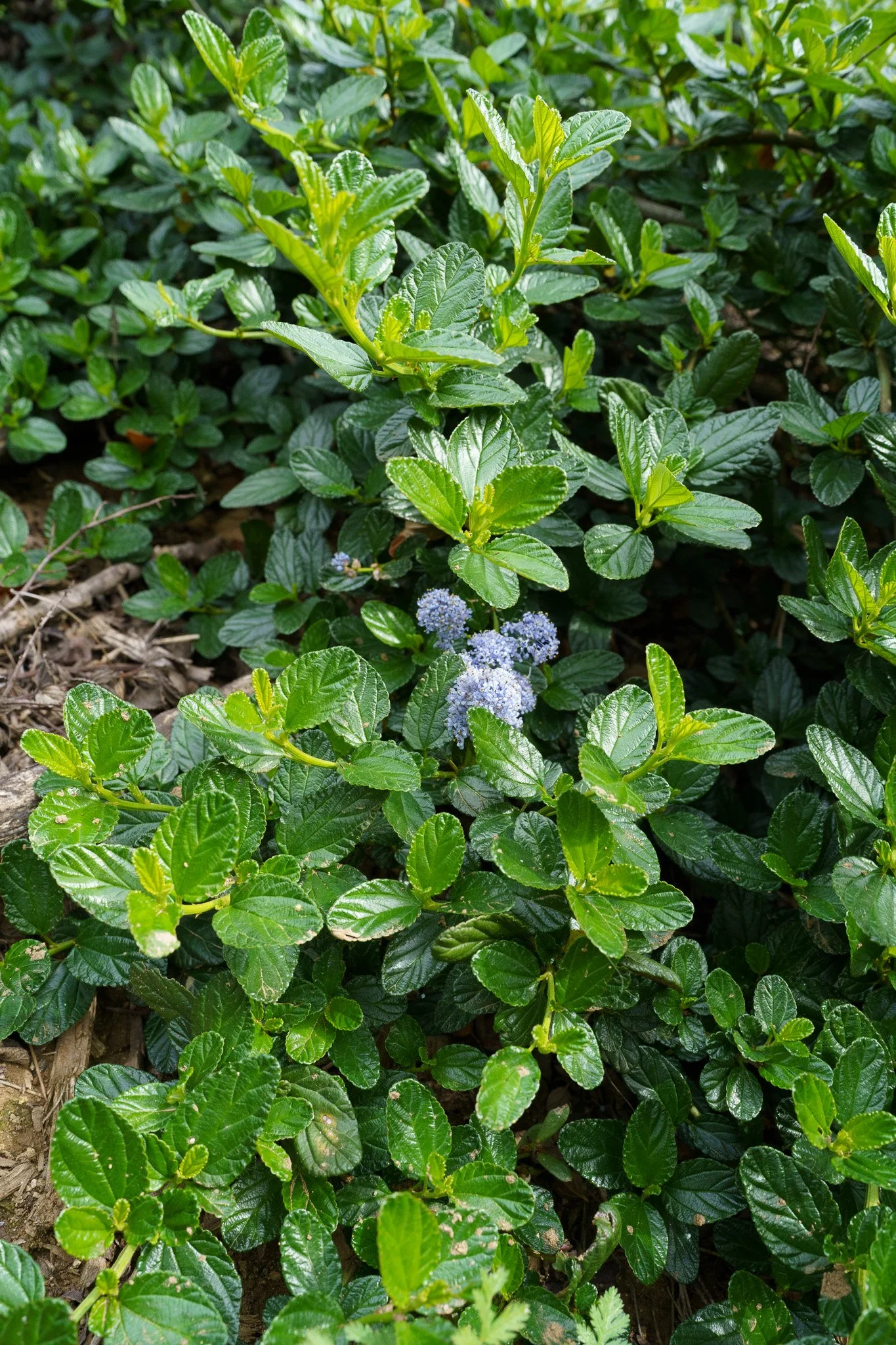
Ceanothus ‘Concha’
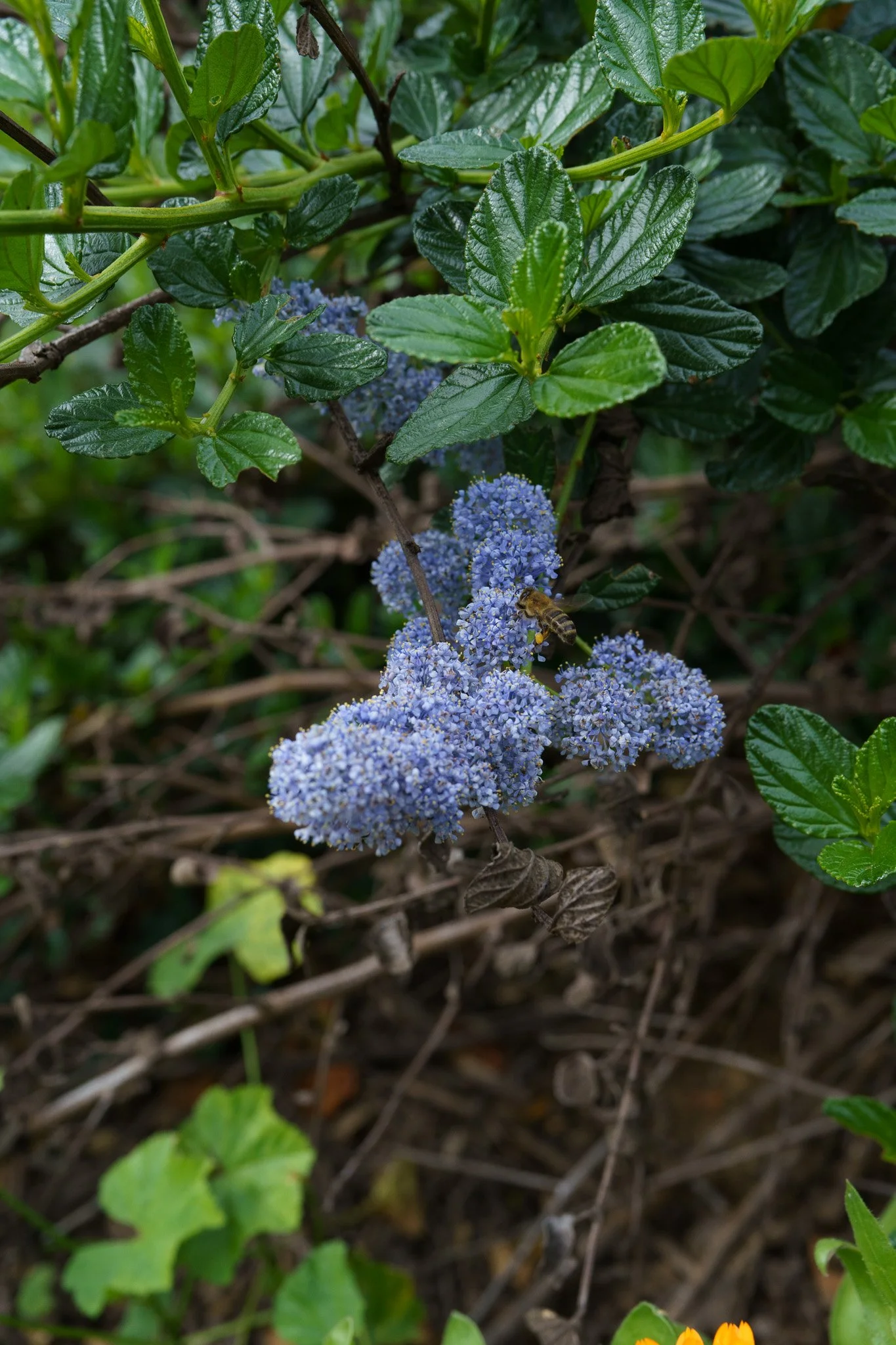
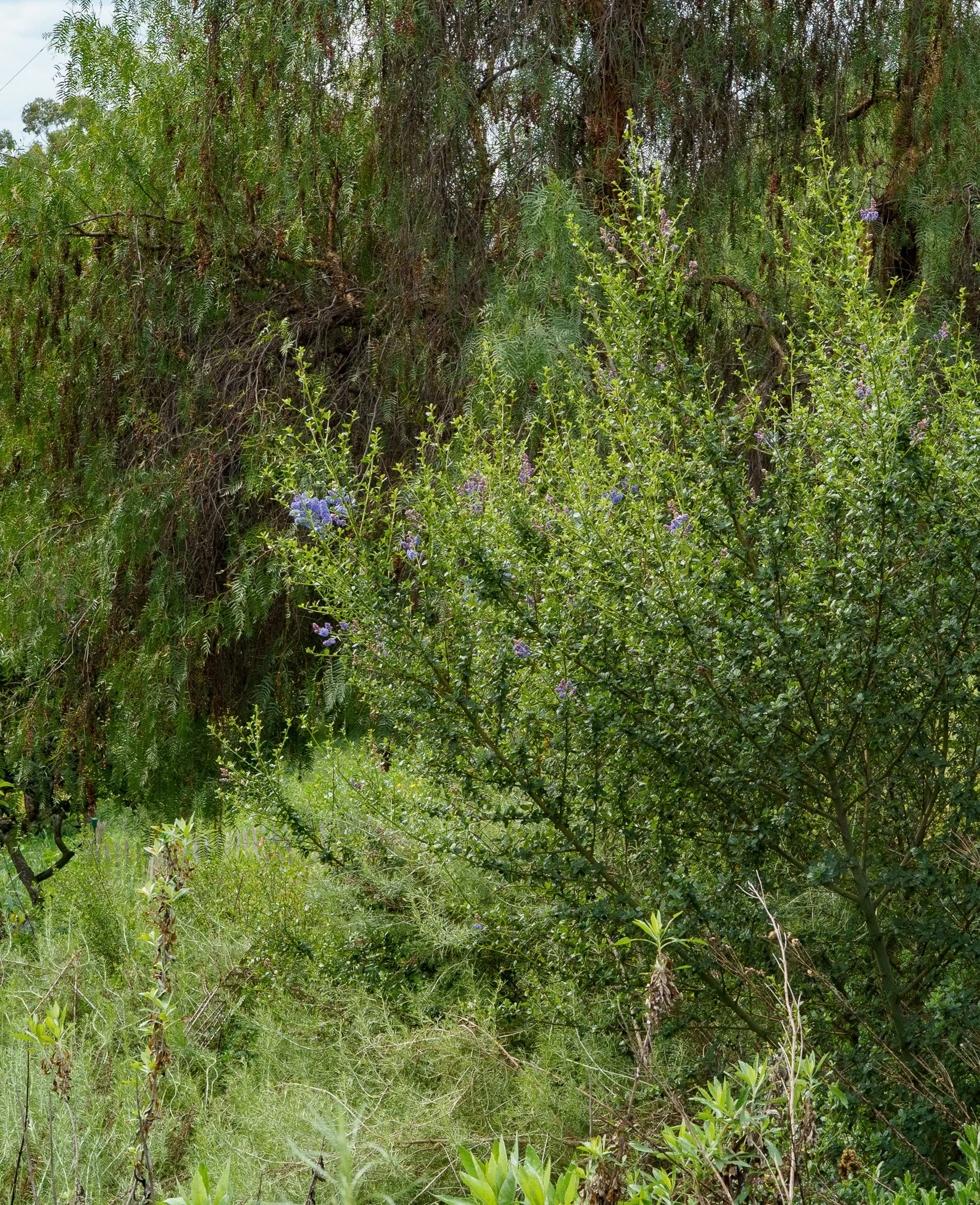
Ceanothus thyrsiflorus
This large shrub produces masses of lavender flowers in the spring. The ‘Concha’ variety grows quickly to 8-10 feet tall and wide in just a few years. It attracts pollinators, provides cover for birds and is a food source for many other species. It is a host plant for the California Tortoiseshell butterfly and the Ceanothus Silkmoth.
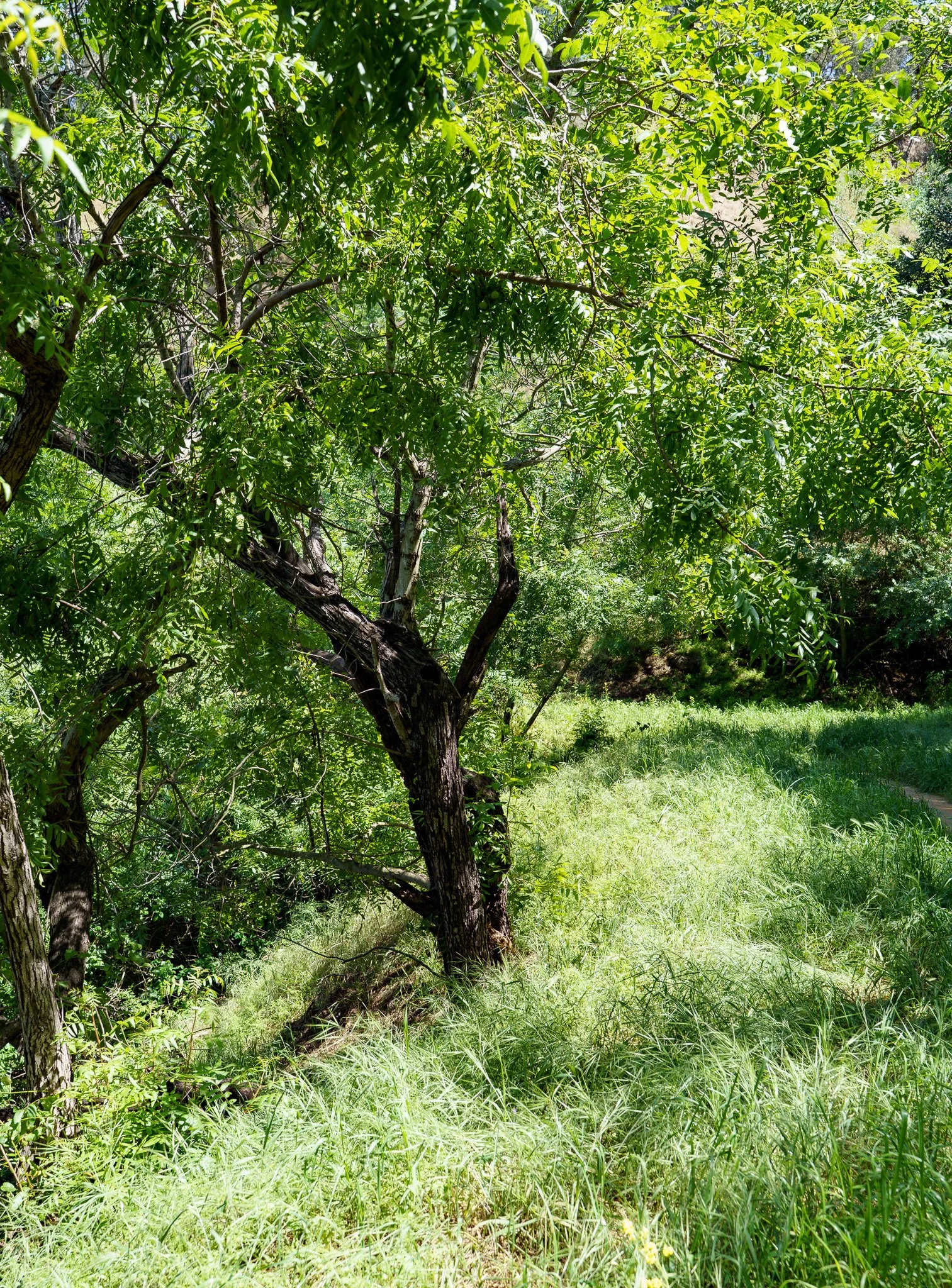
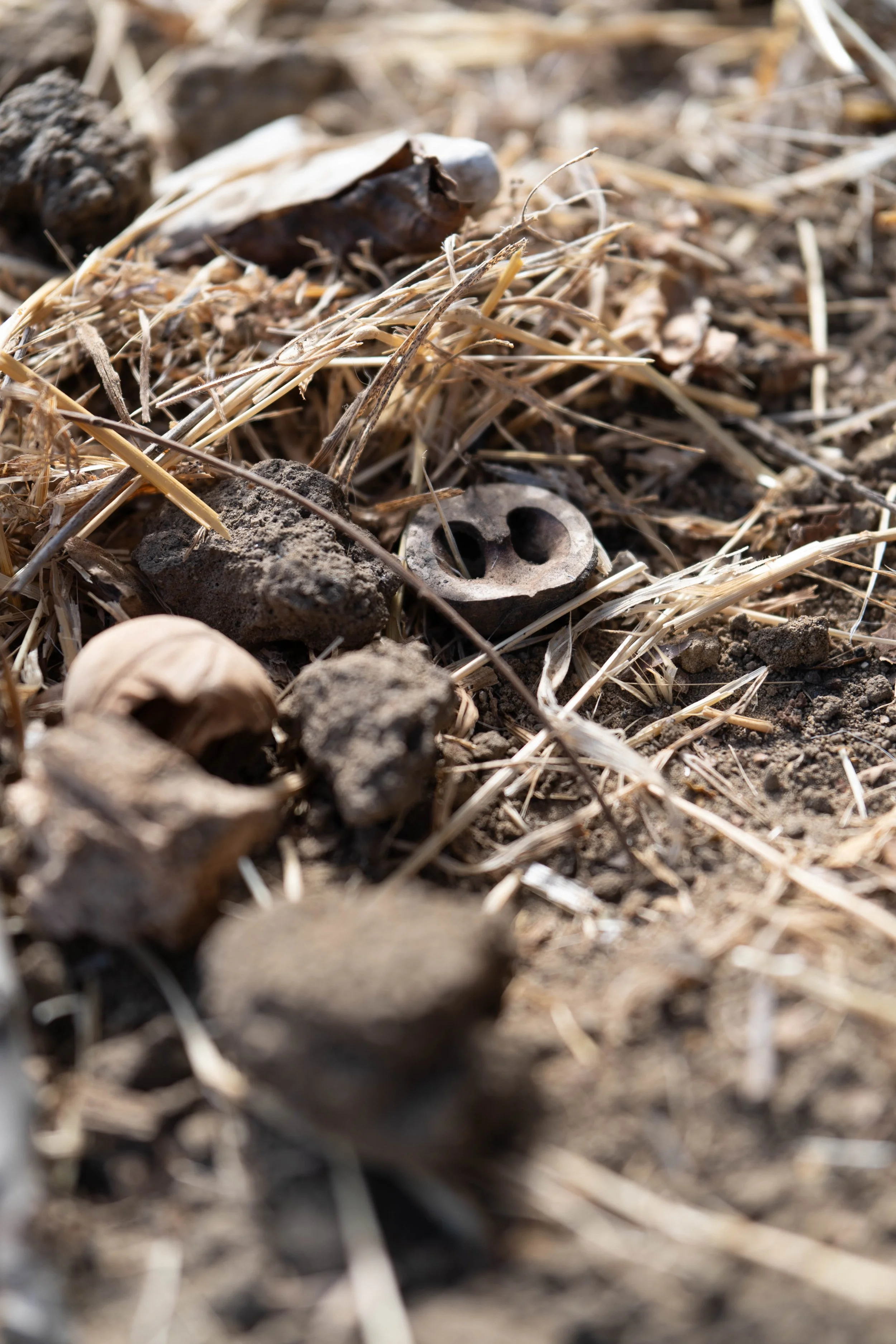
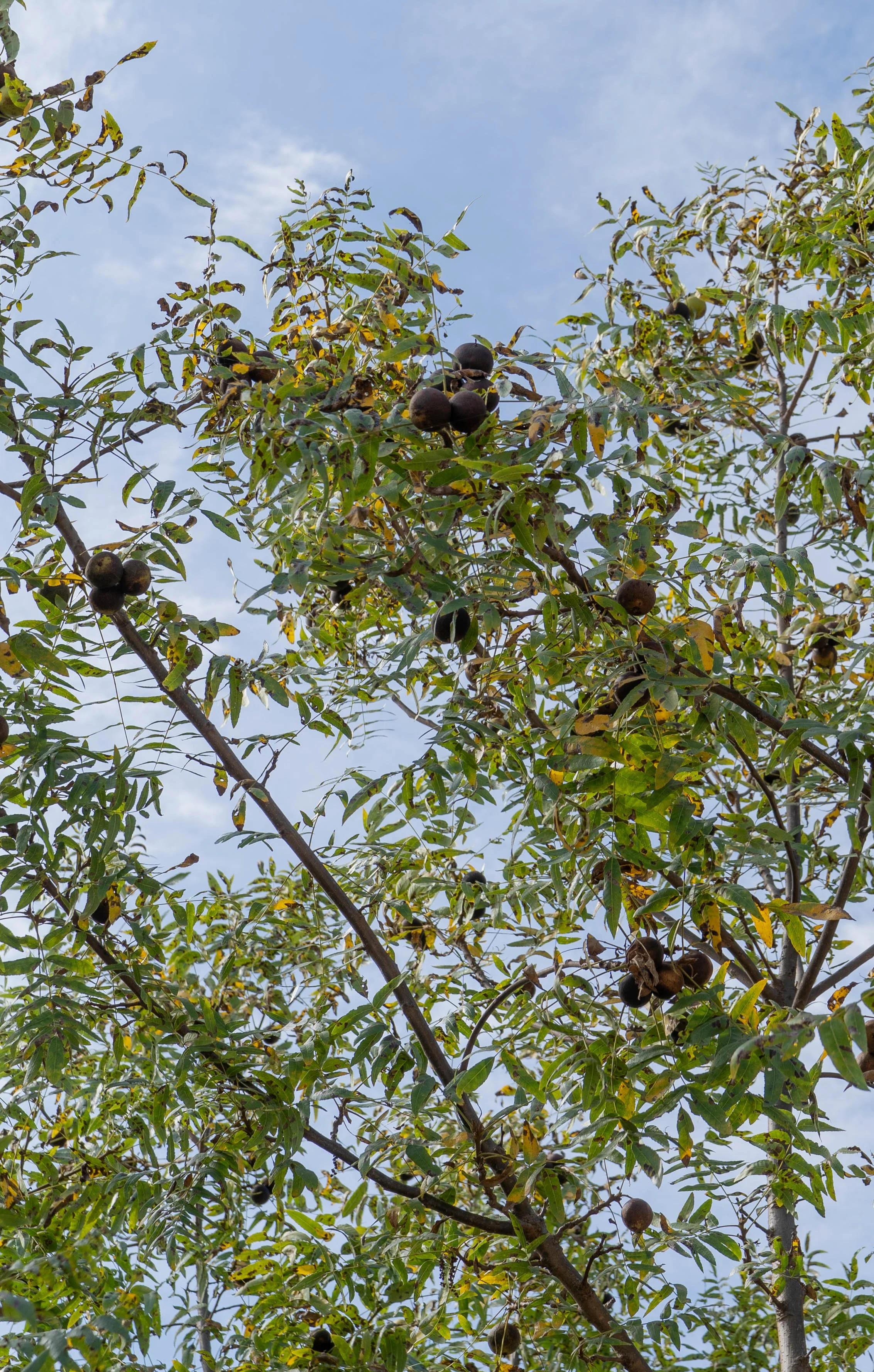
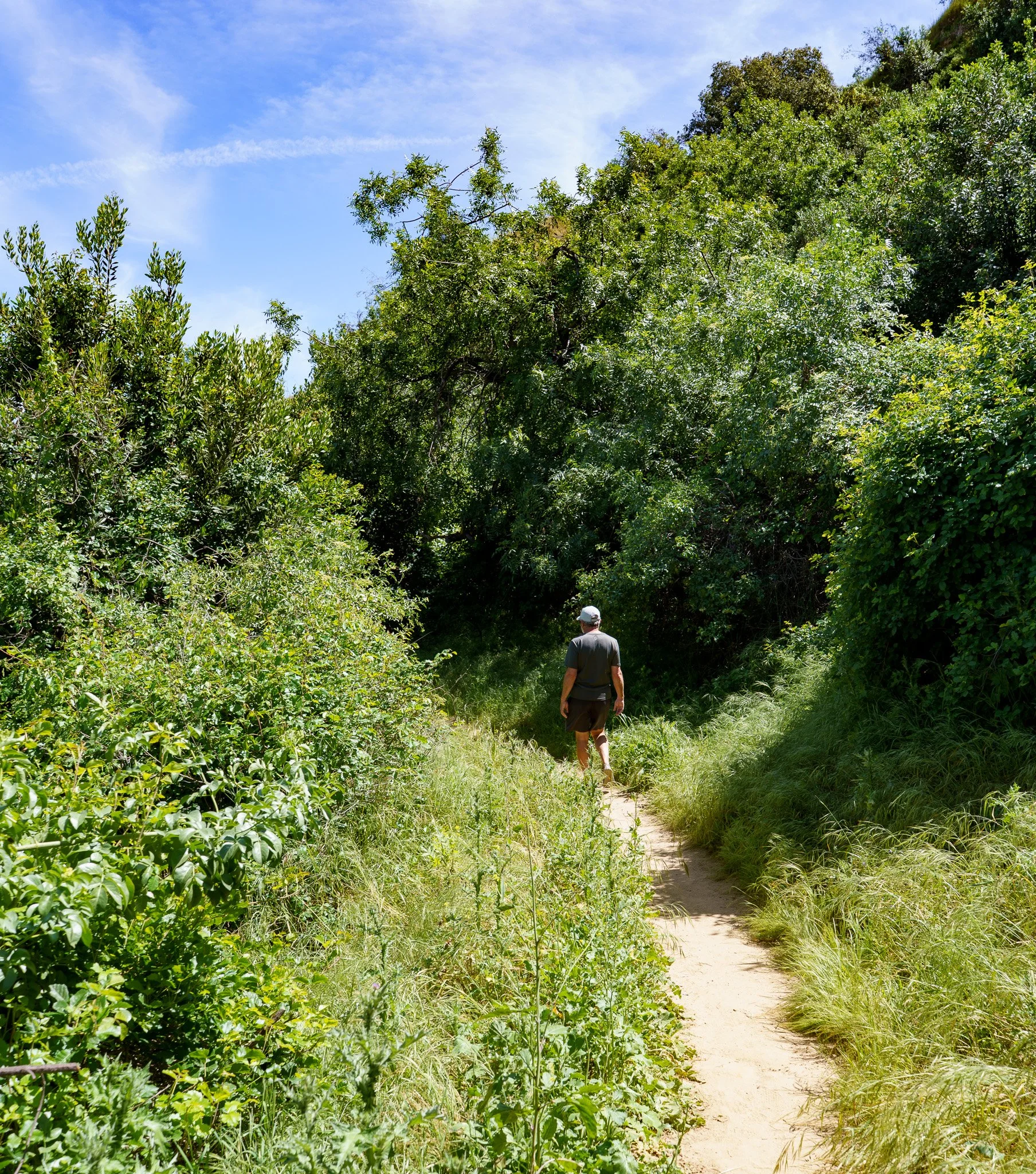
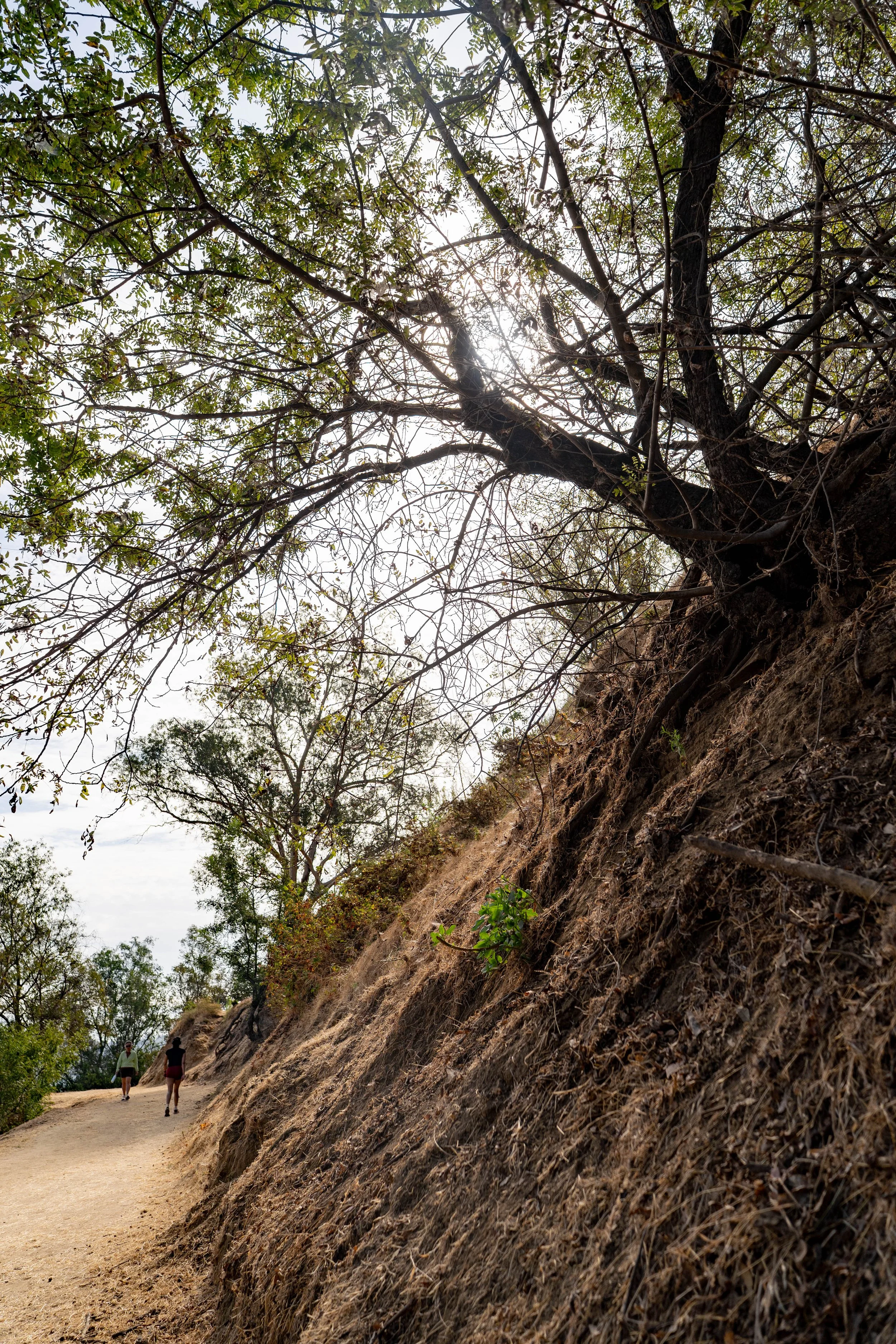
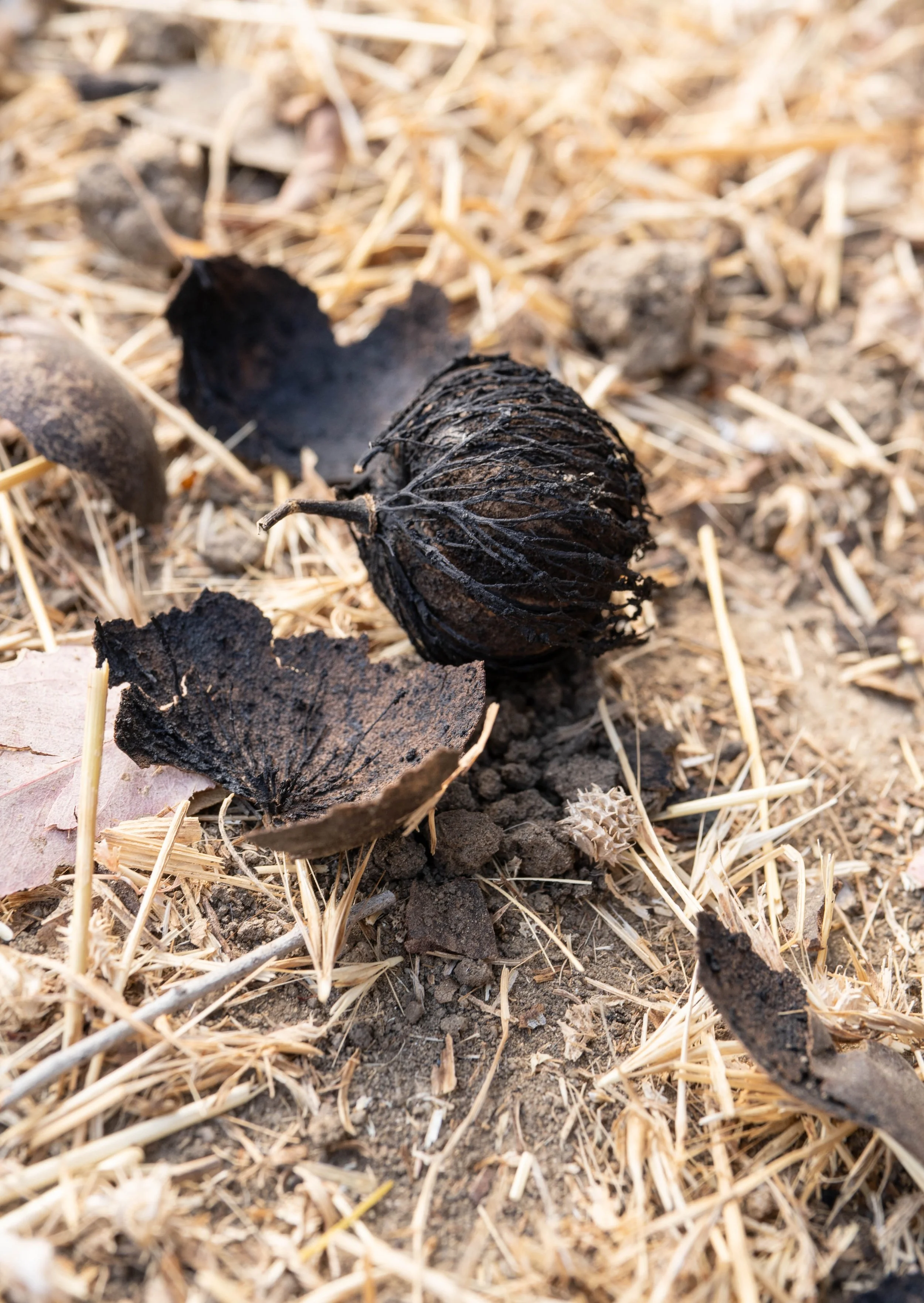
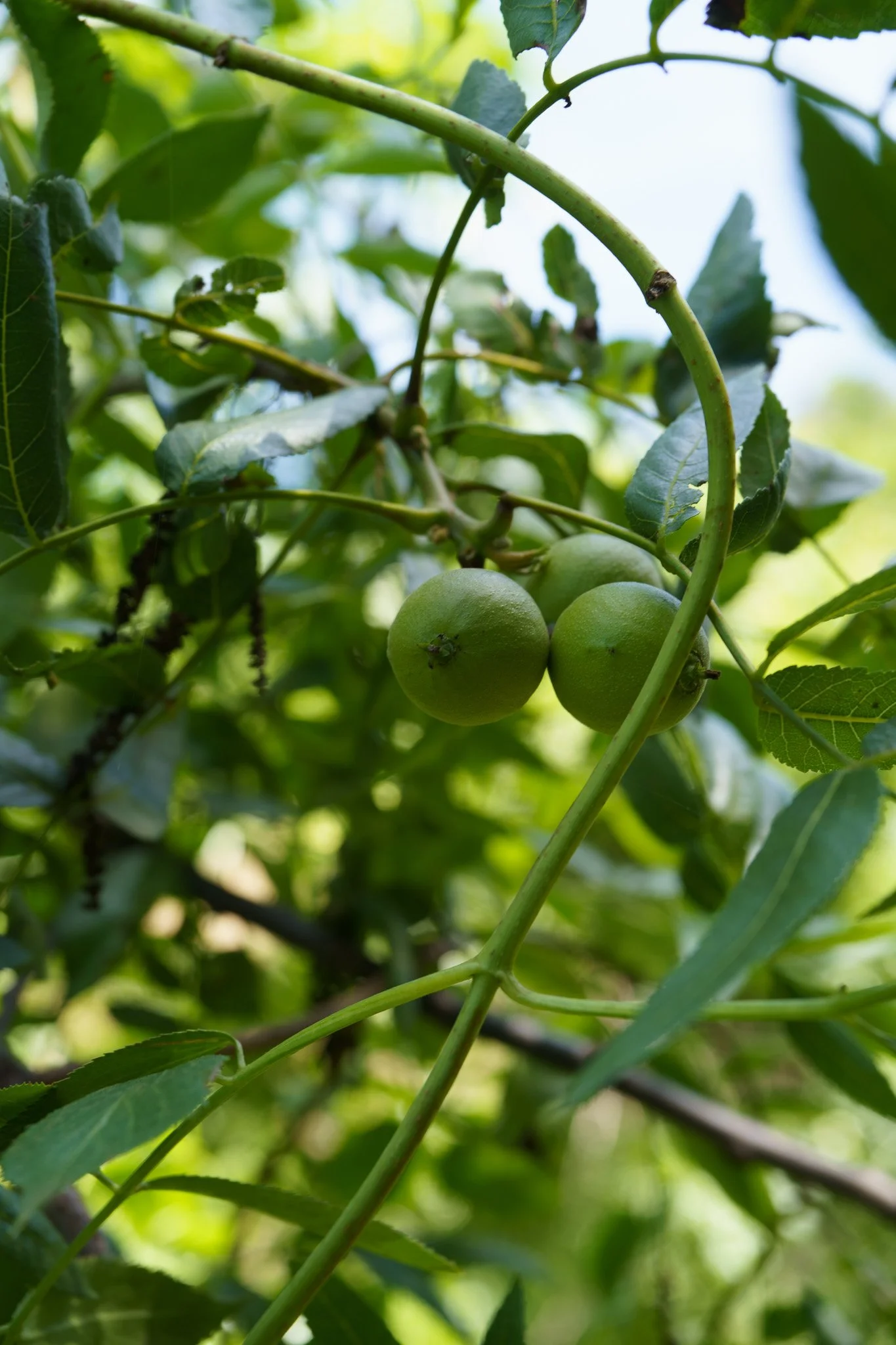
Southern California Black Walnut
Juglans californica
This was the main tree of Elysian Park before European settlers cleared it for lumber in building construction.
It’s a deciduous tree or shrub-like tree with multiple trunks. It has large, divided leaves and thick bark that is deeply furrowed when the tree is mature. This tree is now endangered in large parts of the southern portion of its natural range, due to development.
The nuts are edible but hard to remove from the shell so these trees are not planted for agricultural use. However, birds eat the nuts and like to nest in the branches.
This hardy tree tolerates heat, smog, and drought and is great on slopes. It does best in moist areas and can handle garden watering. Toxins in walnut seeds will typically prevent other plants from growing under the tree, so don’t try to put understory plants too close.
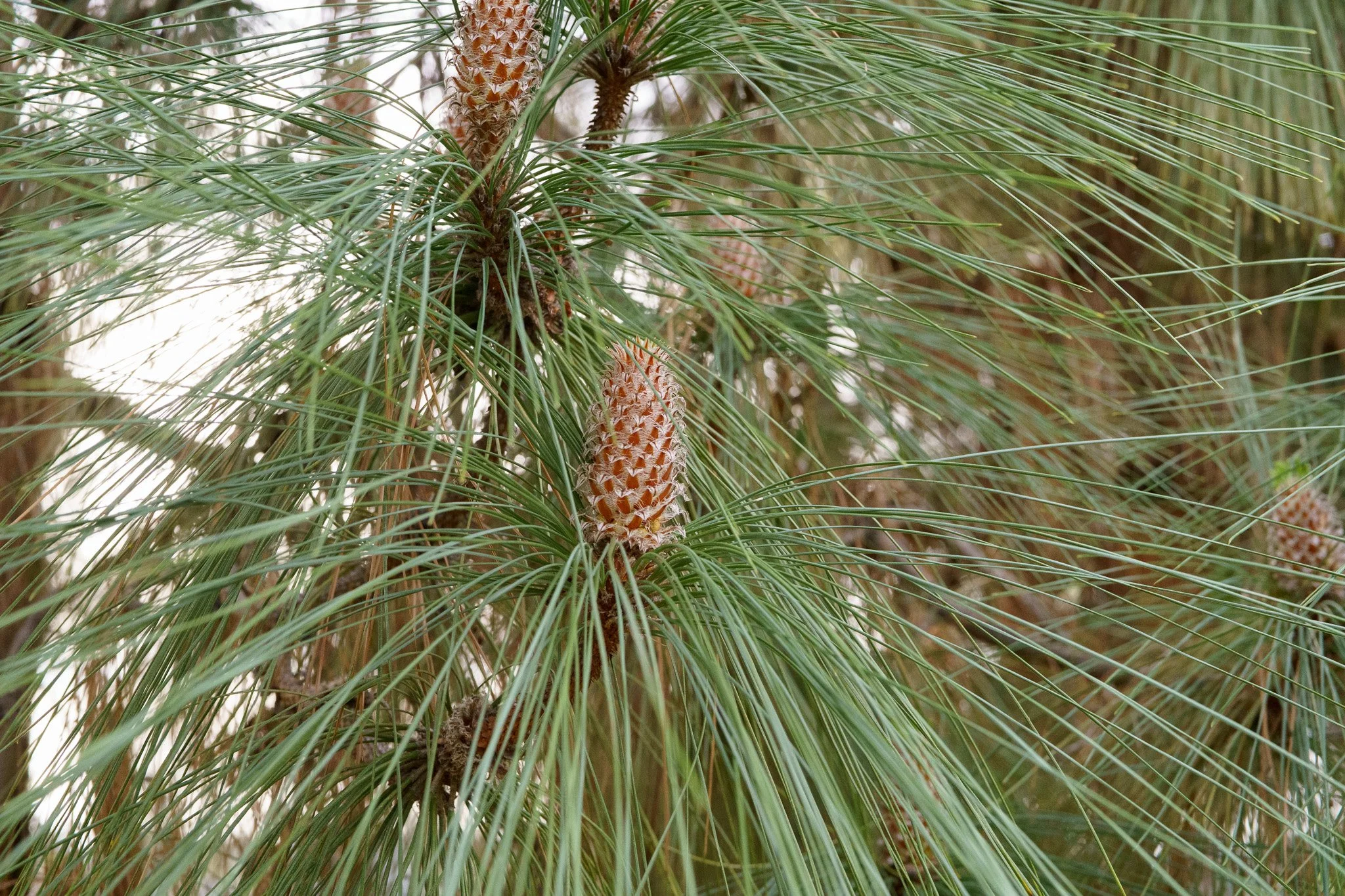
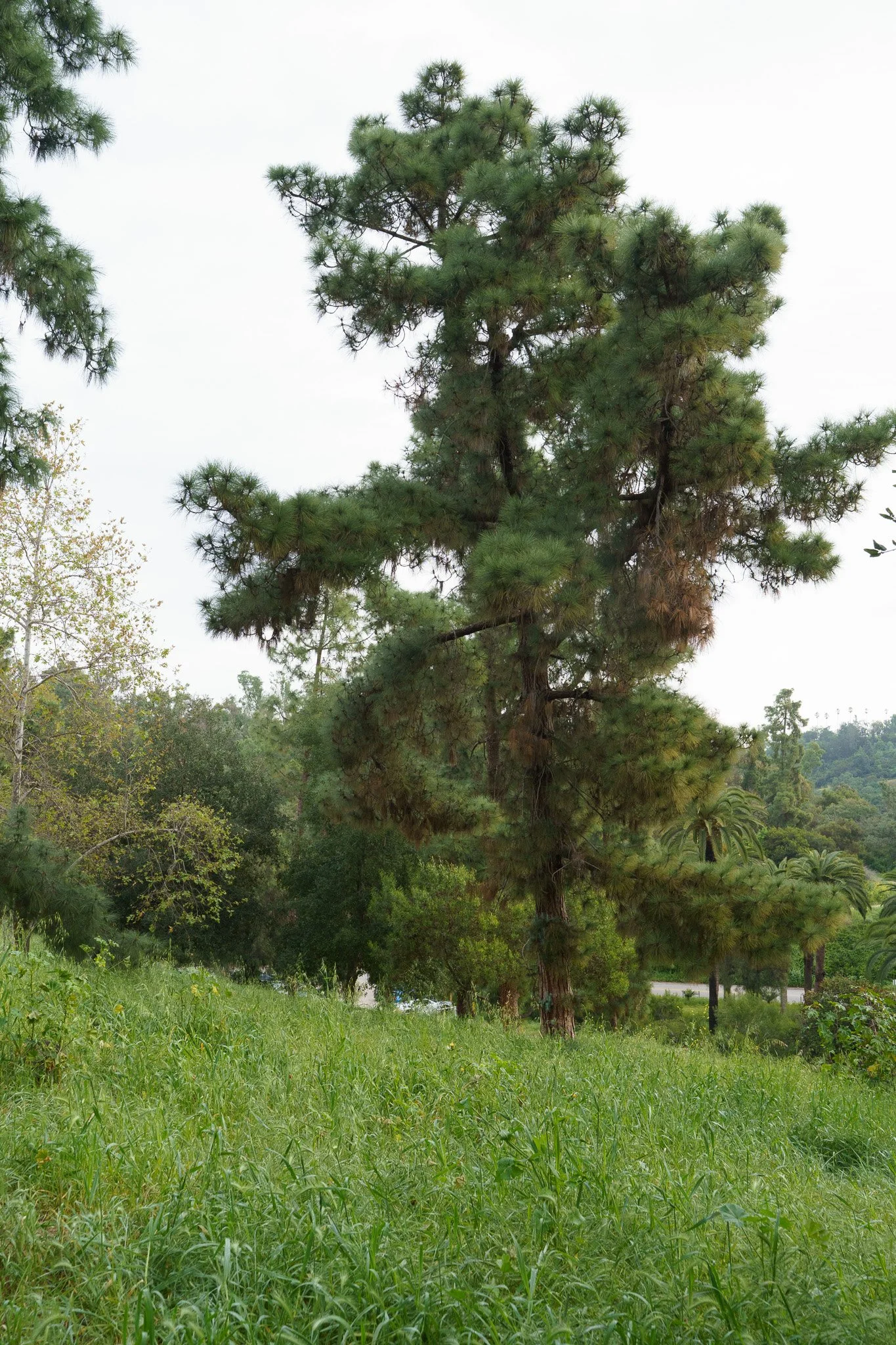
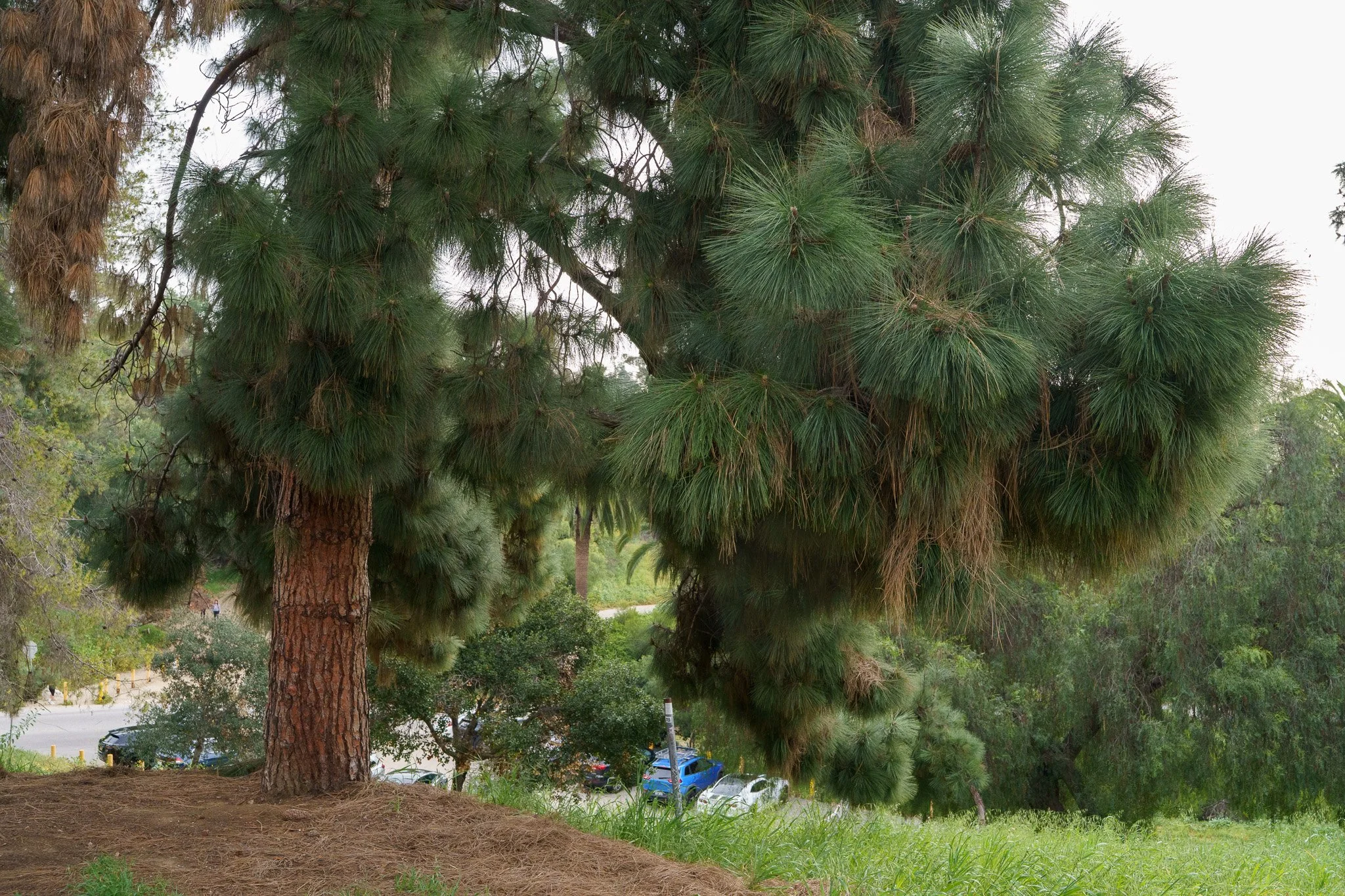
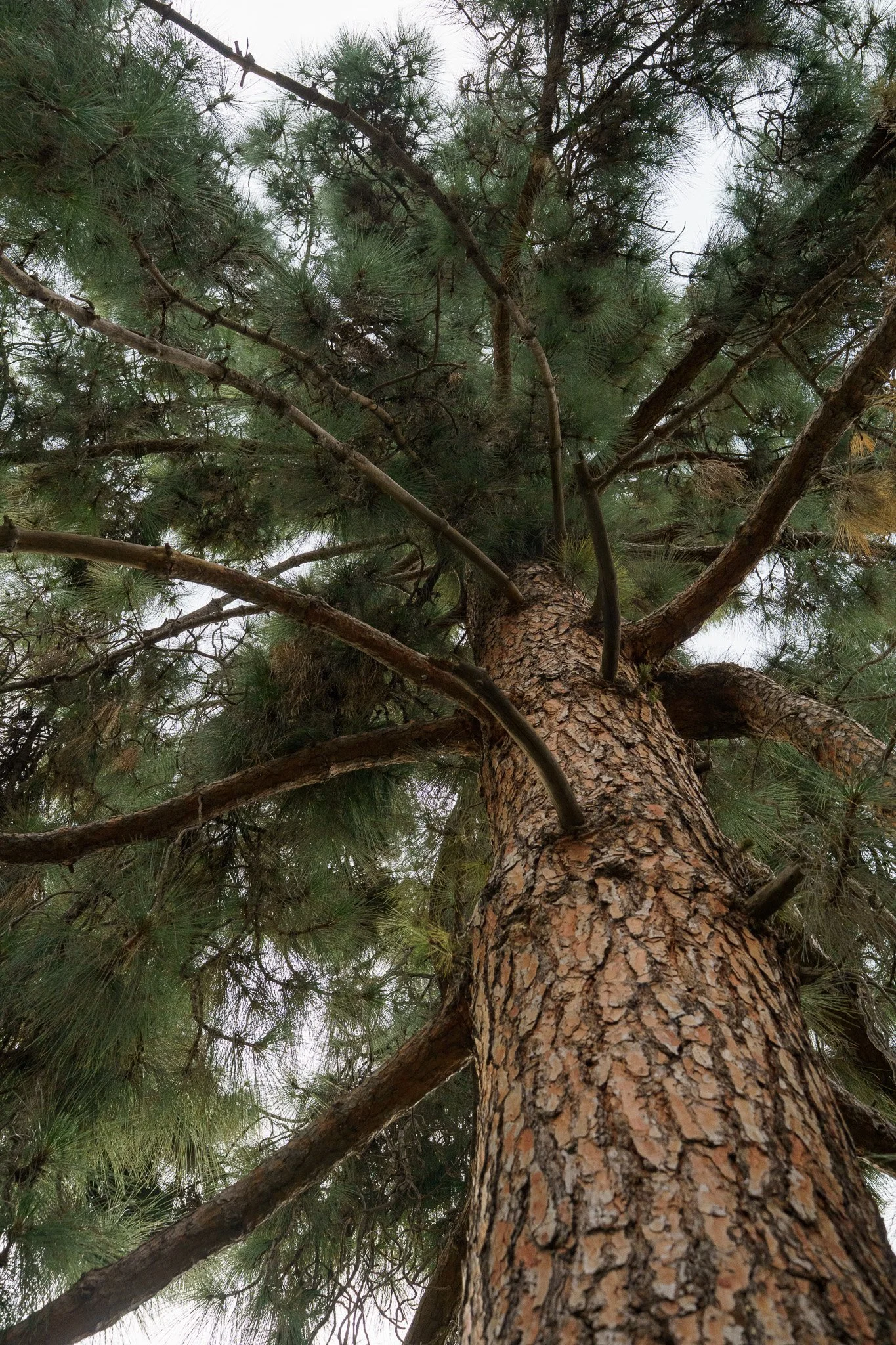
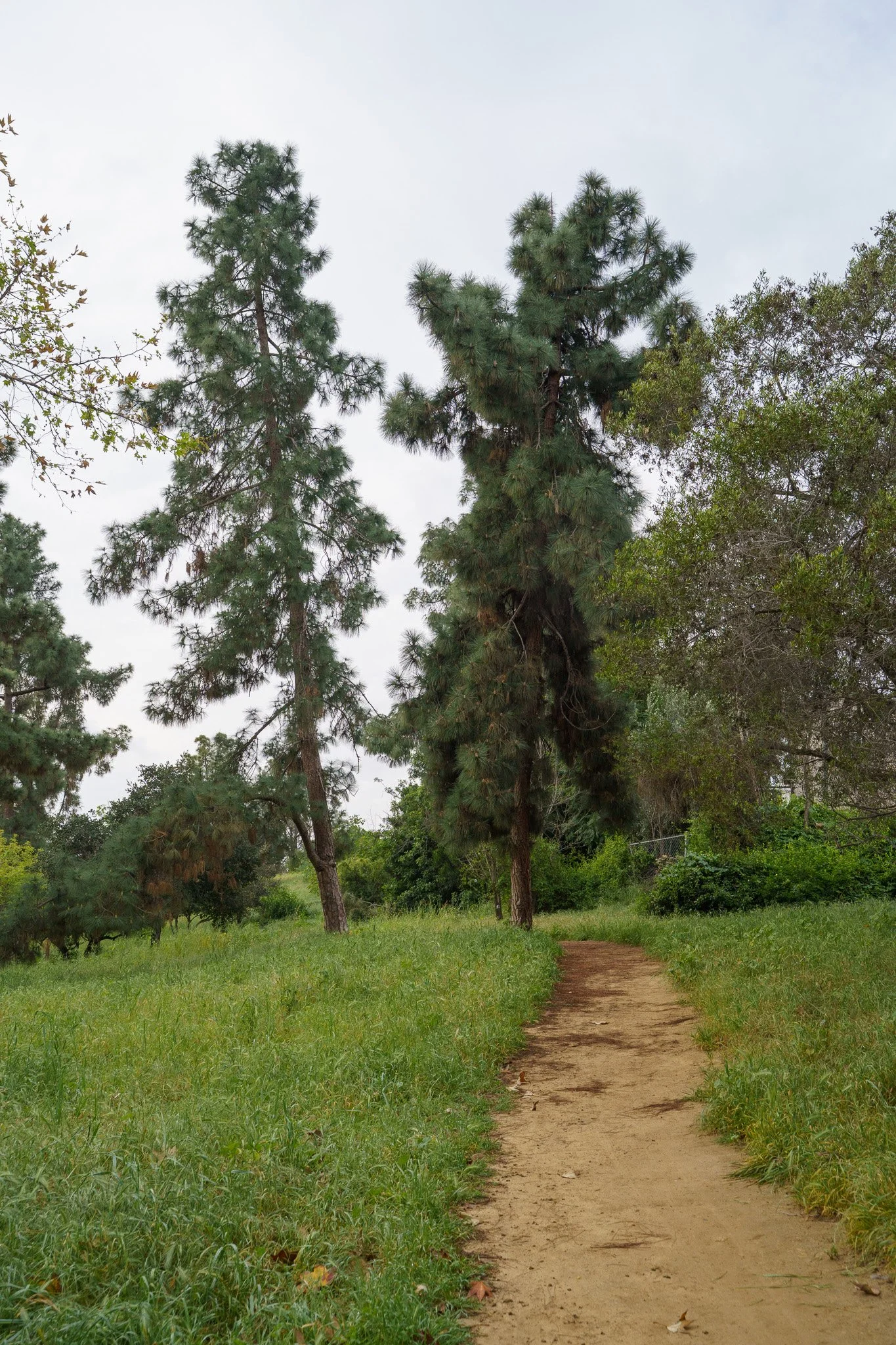
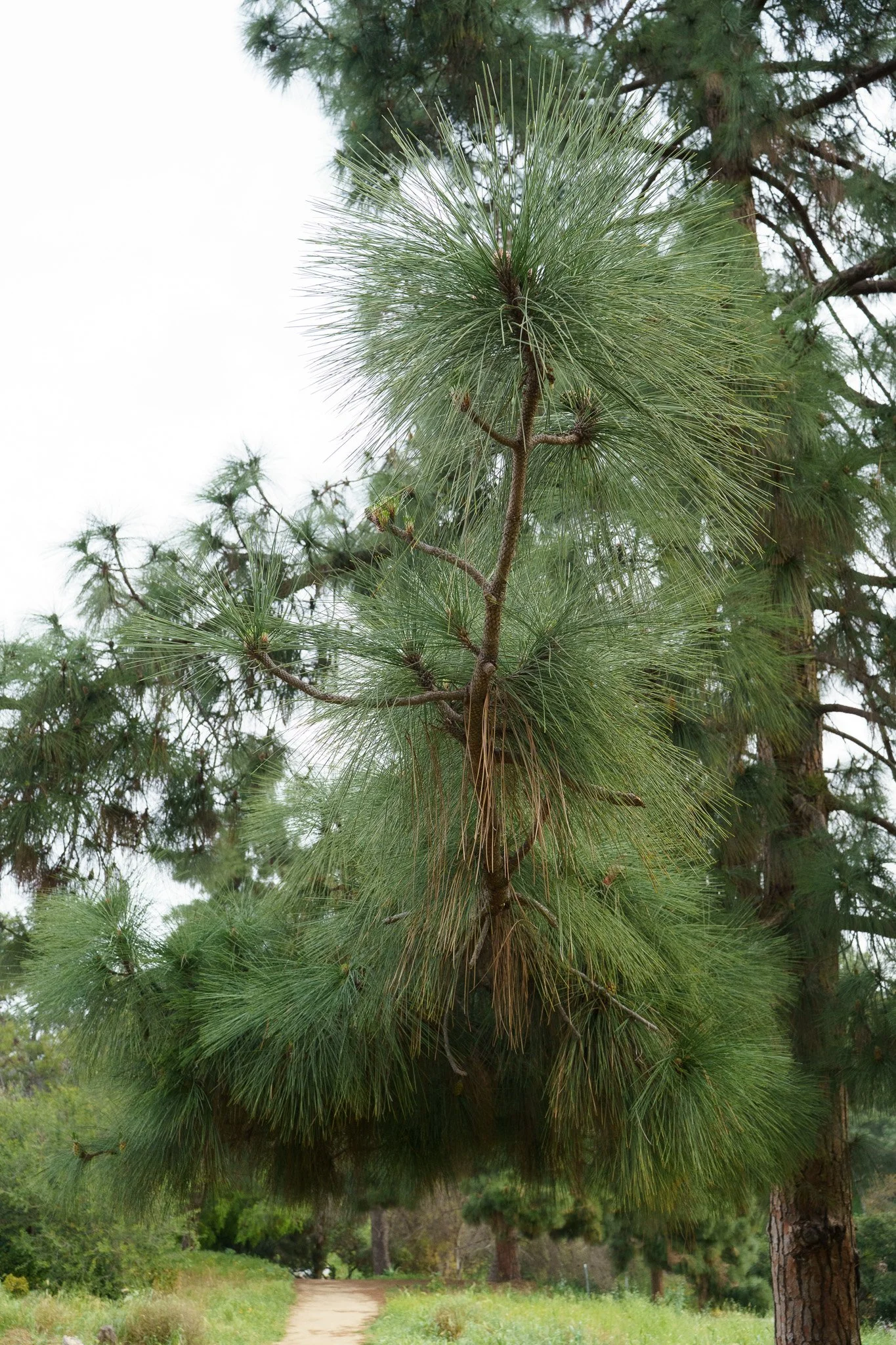
California Foothill Pine
Pinus sabiniana
The enormous cones have edible pine nuts that have a taste that betters grocery store varieties. Harvested by jays and squirrels in autumn when seeds fall from the cones.
Its resin was used as an antiseptic for wounds. Needles are high in vitamin c. The inner bark can be processed into flour.
With long needles and sparse branching these pines cast a light shade. The tree grows up to 80 feet tall, is self-fertile and drought tolerant.
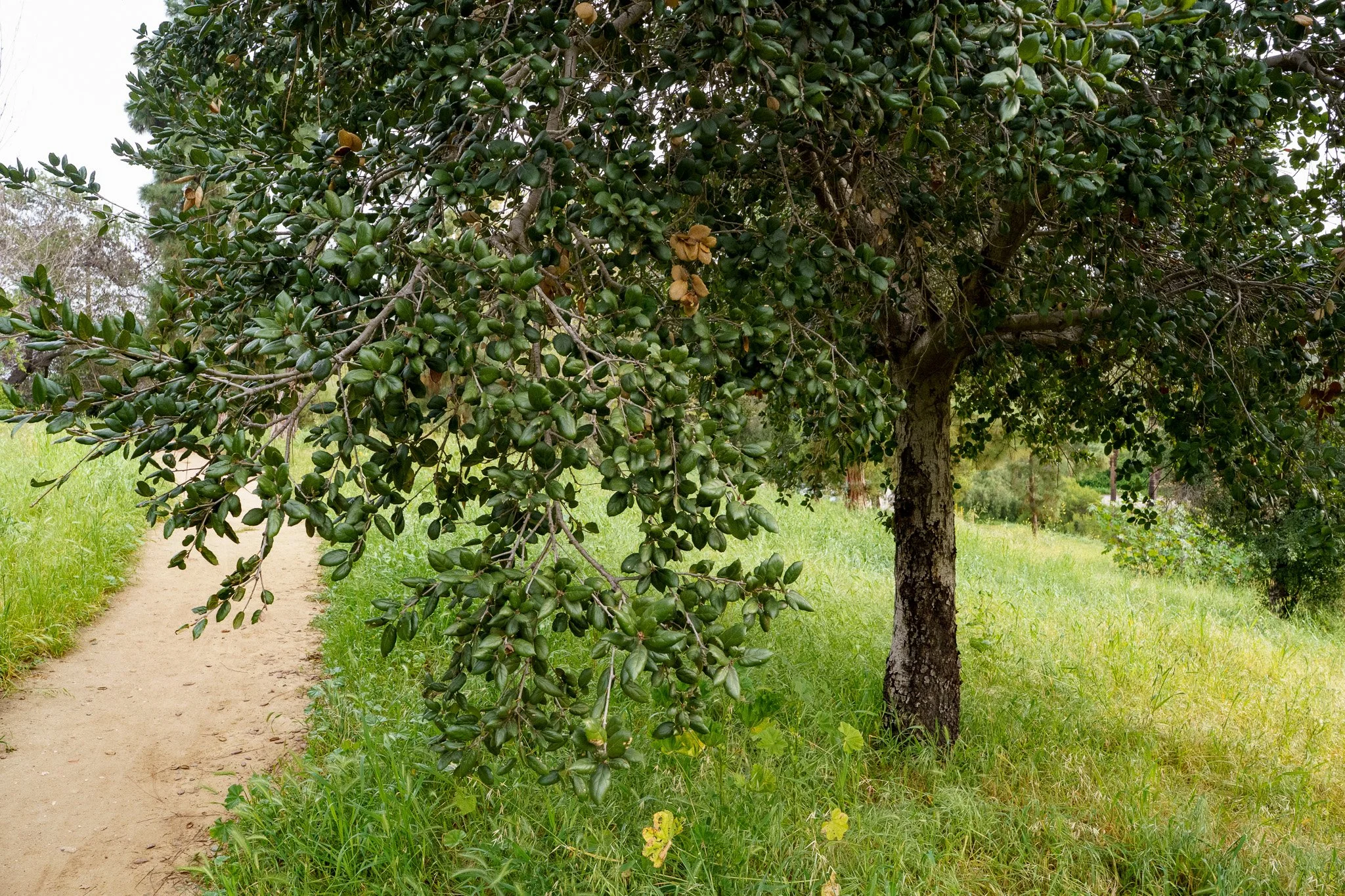
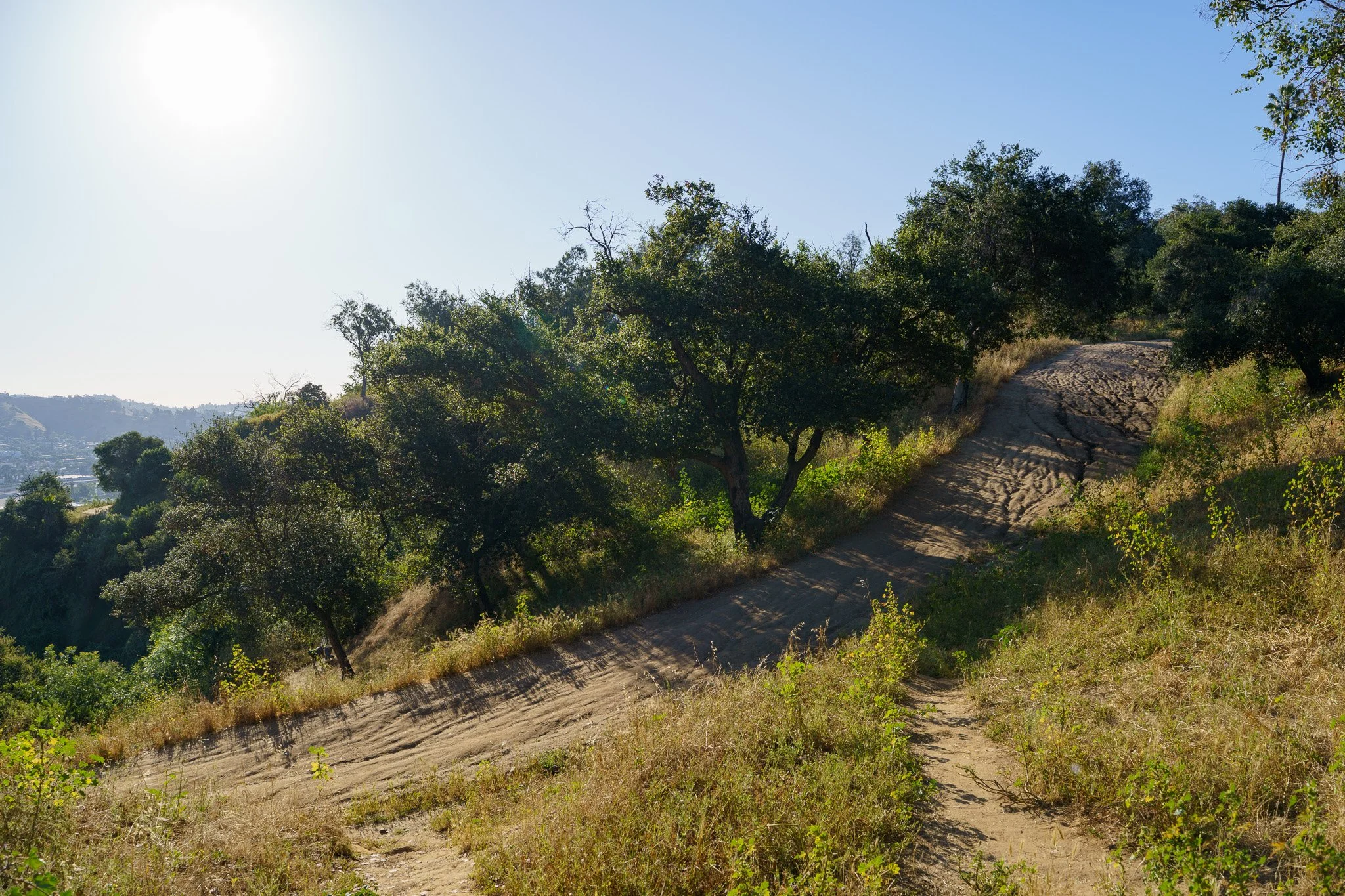
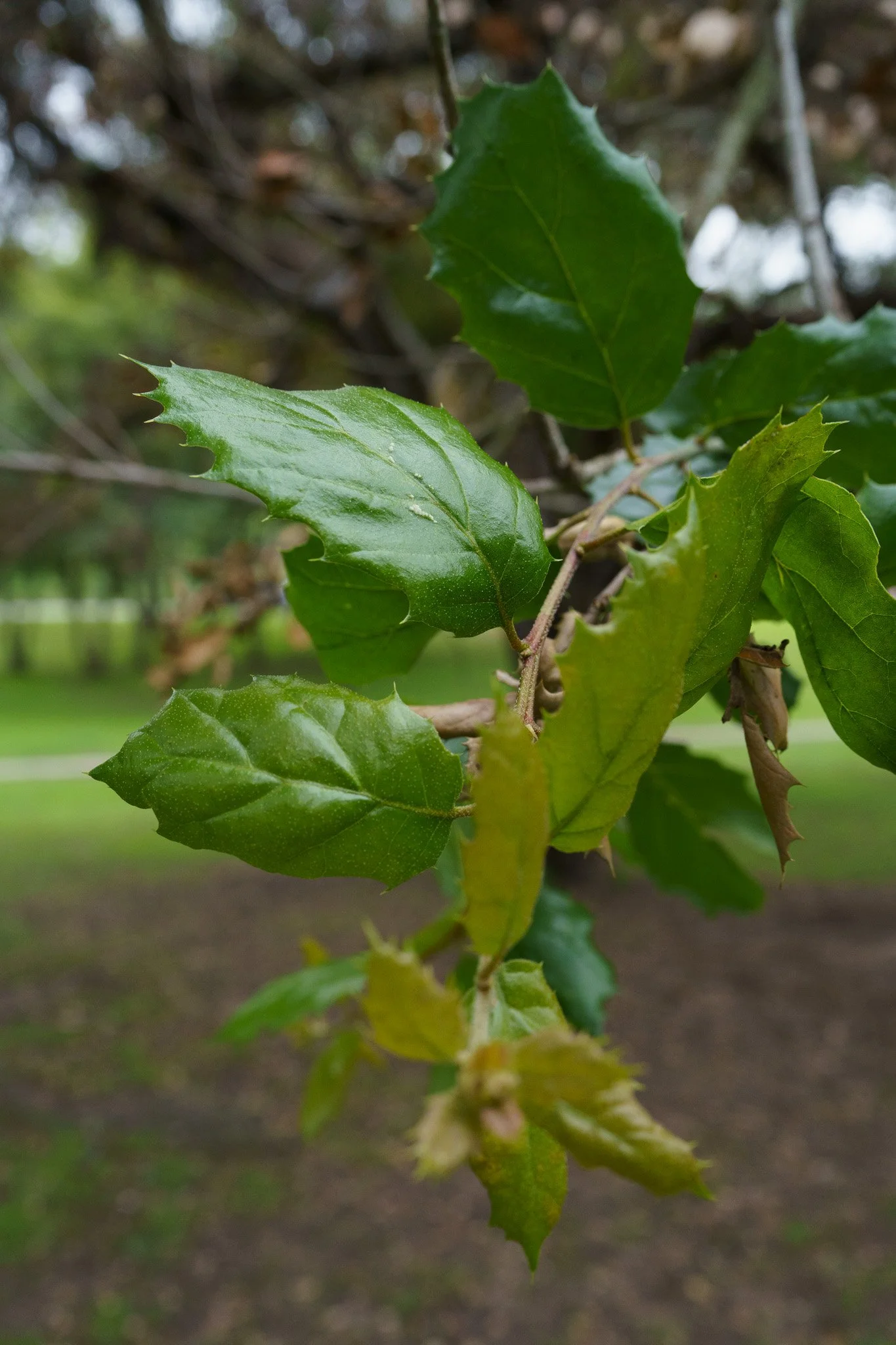
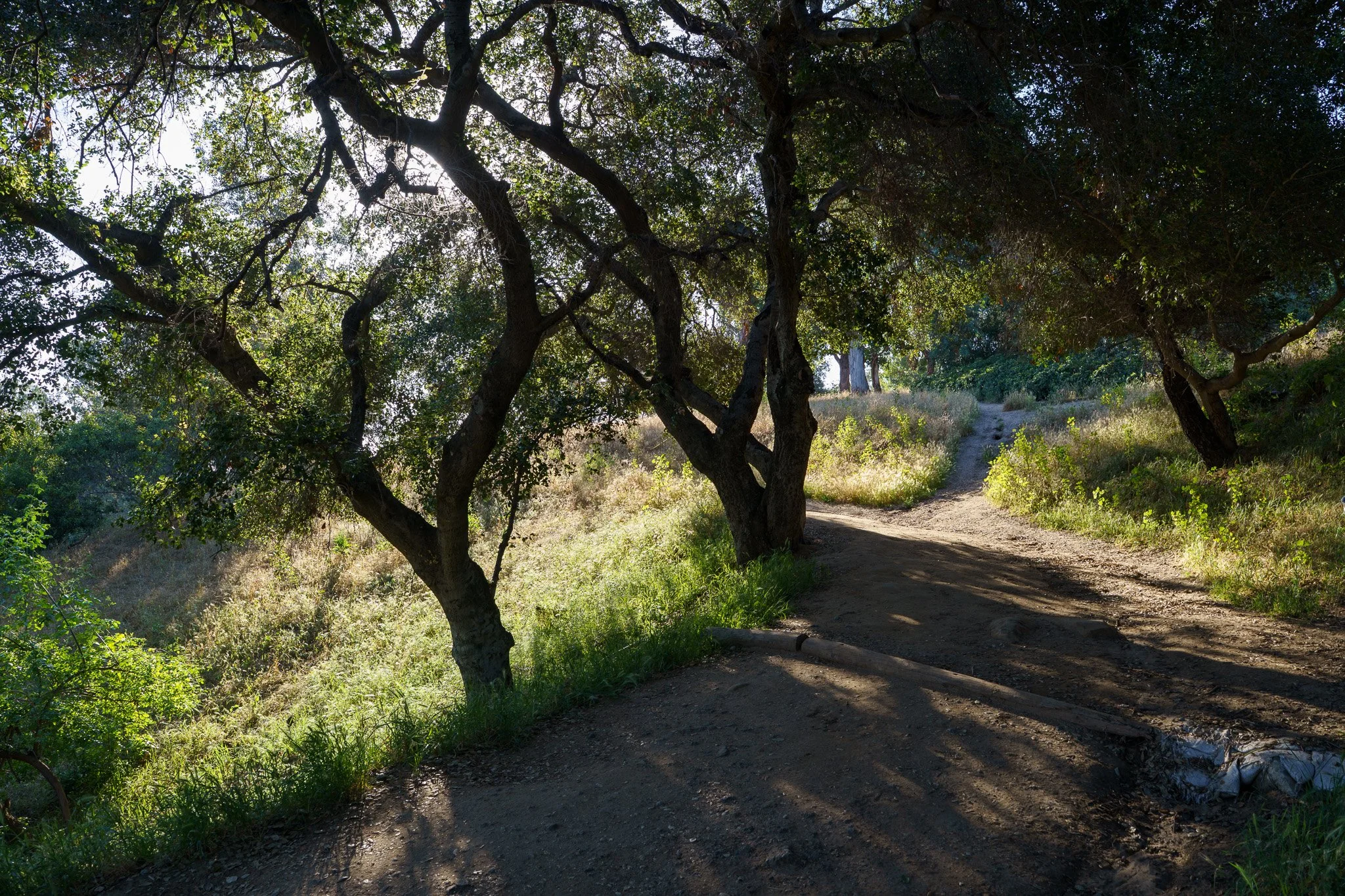
Coast Live Oak
Quercus agrifolia
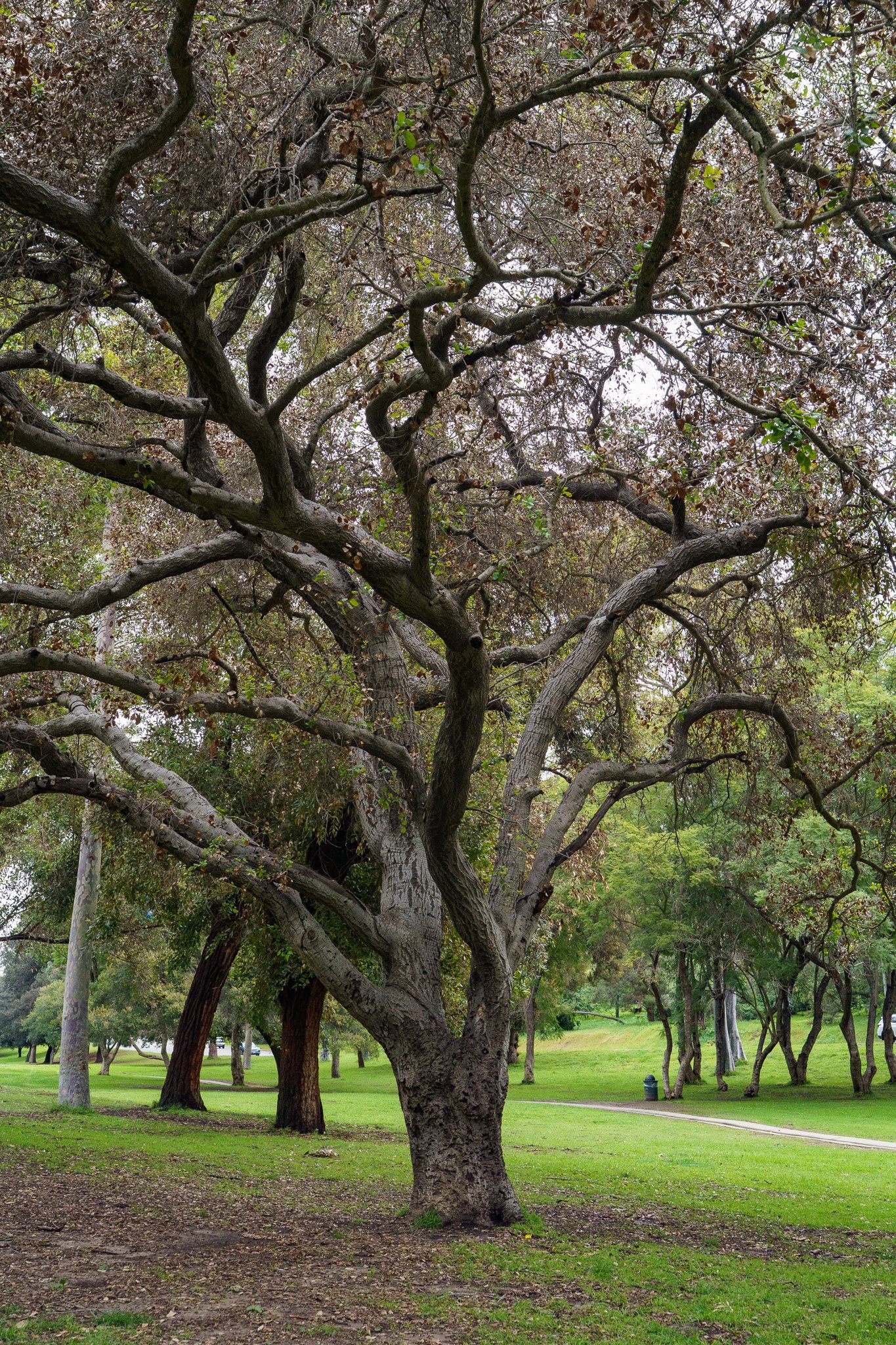
Immortalized in our logo, this native oak likes when we have May Gray and June Gloom. Its roots stabilize hillsides, lives up to 250 years, is very drought tolerant and fire resistant.
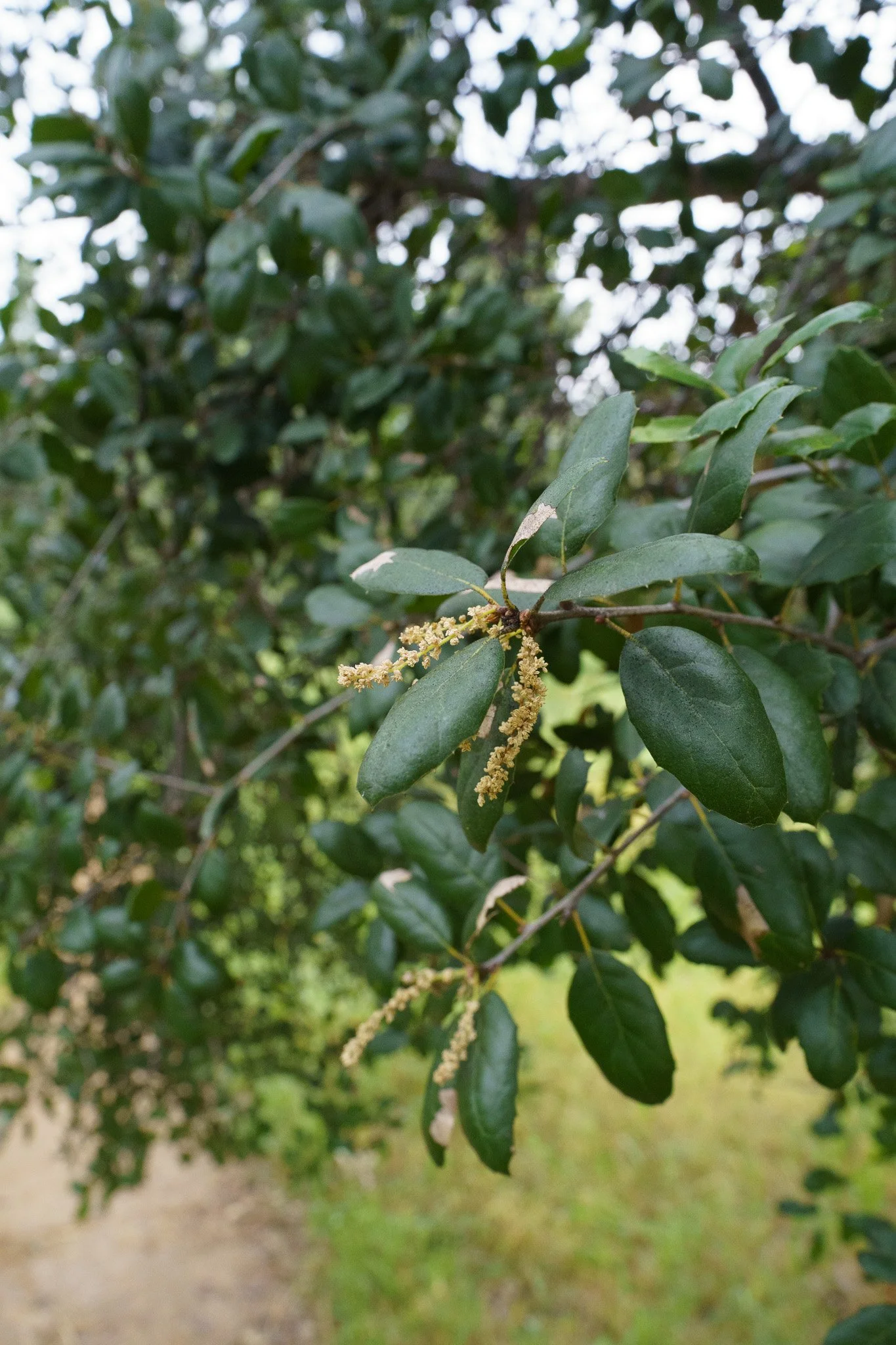
In spring discreet flowers emerge called catkins, they are both male and female (monoecious). It is wind-pollinated instead of insect-pollinated.
Each mature tree produces up to 500 pounds of elongated acorns. It was a main food staple for the Tongva people (the indigenous tribe of Los Angeles). Today it remains a key food source for Elysian Park’s coyotees, rabbits, squirrels, woopeckers and jays.
Lemonade Berry
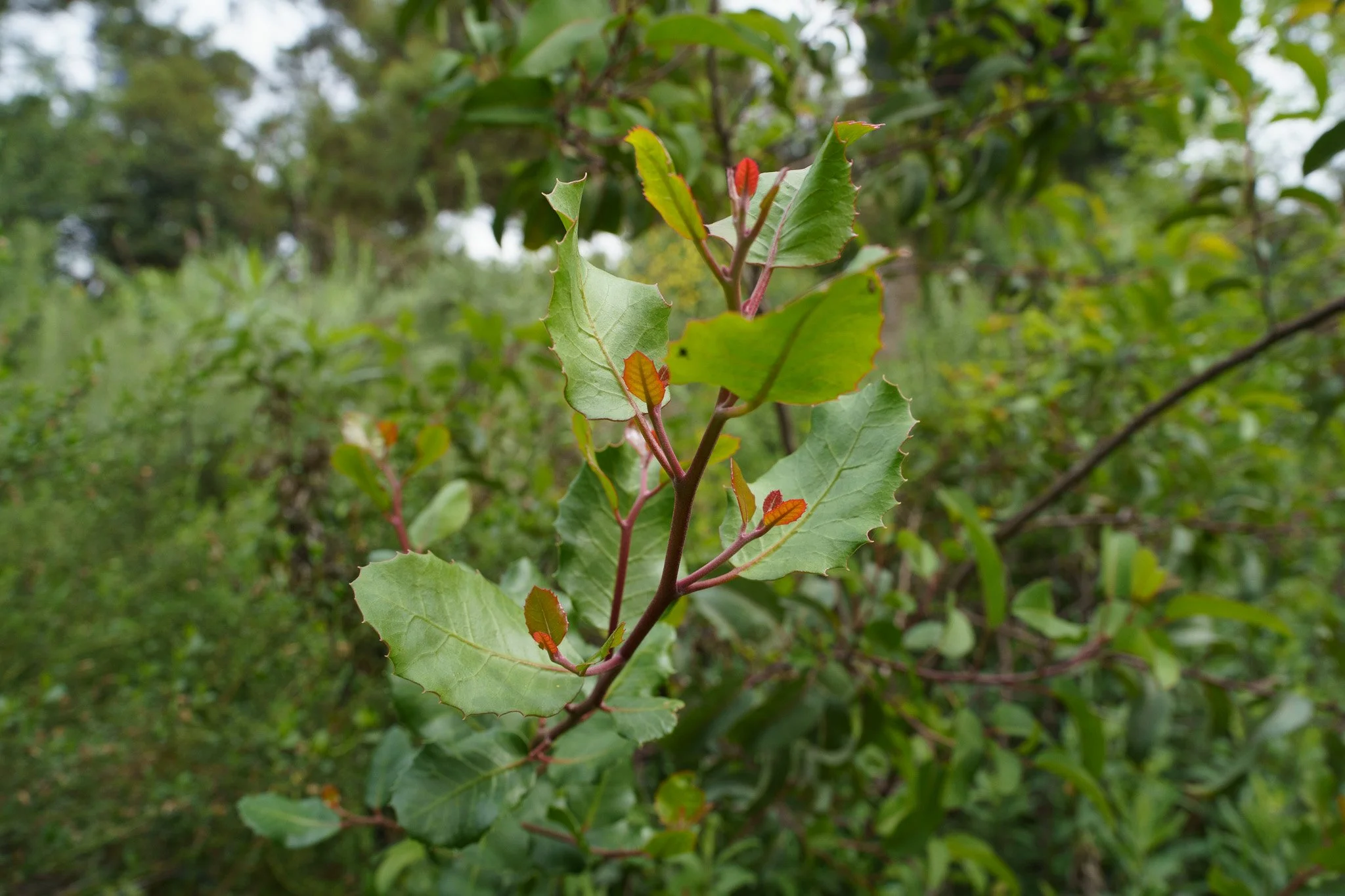
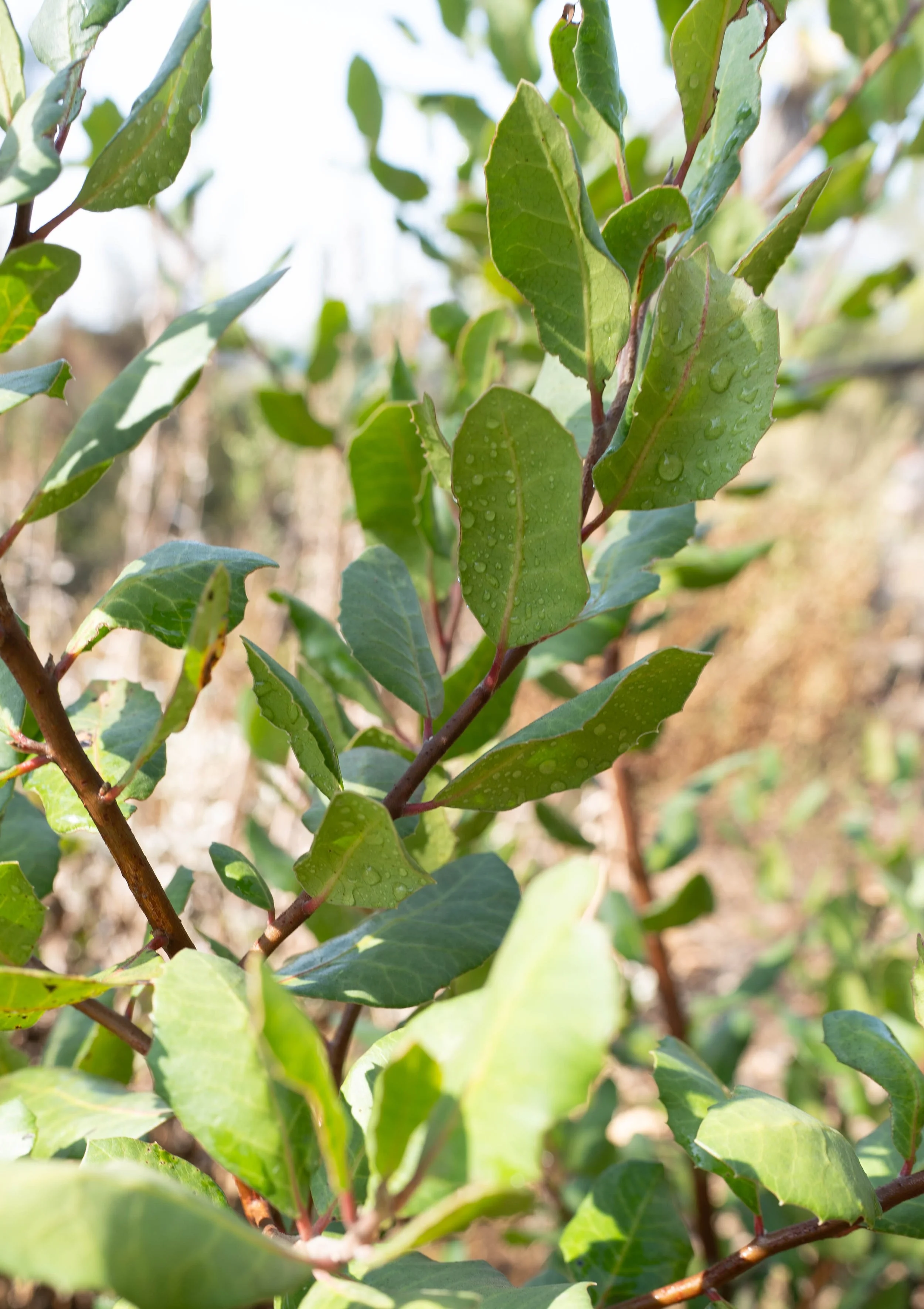
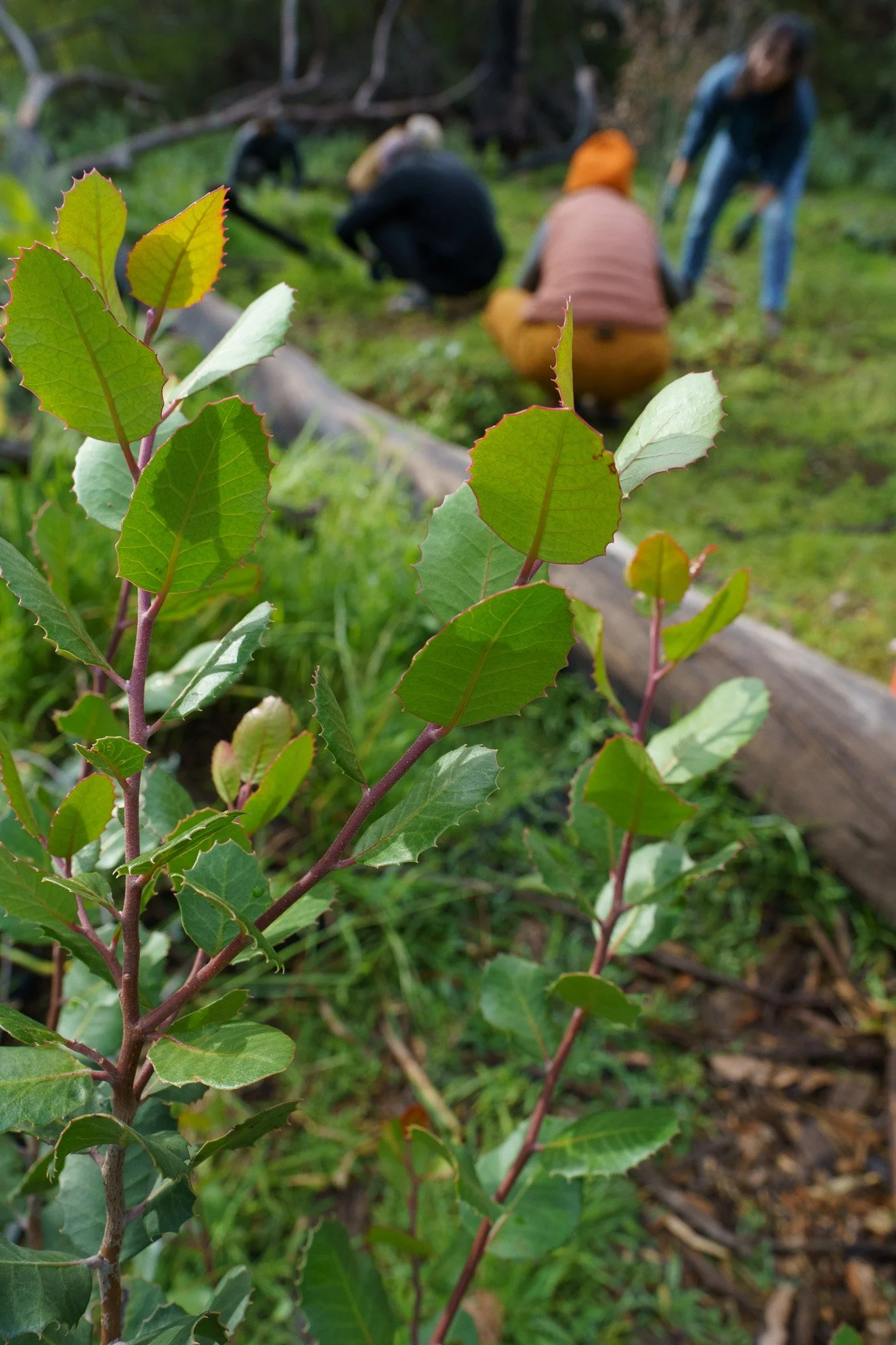
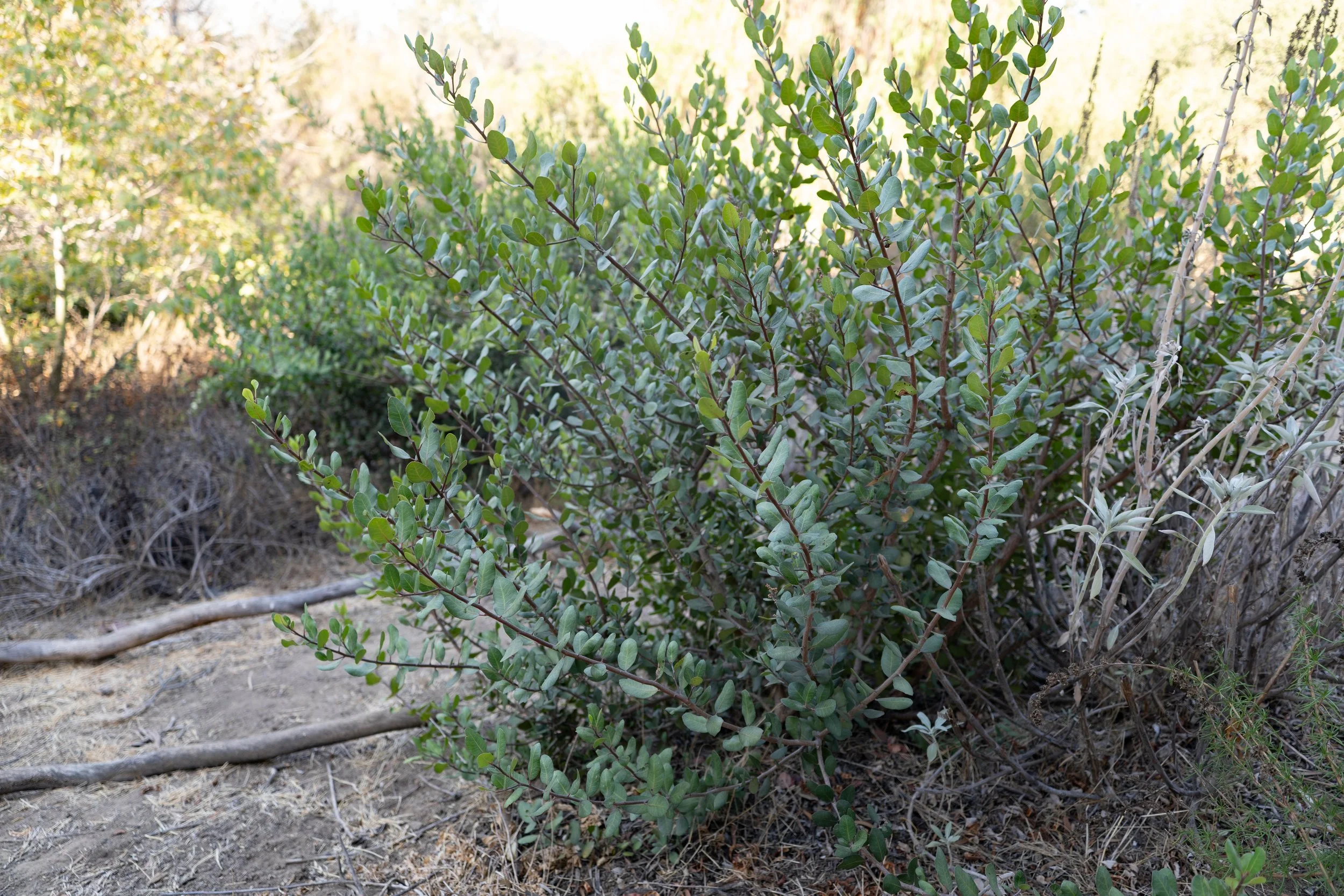
Rhus integrifolia
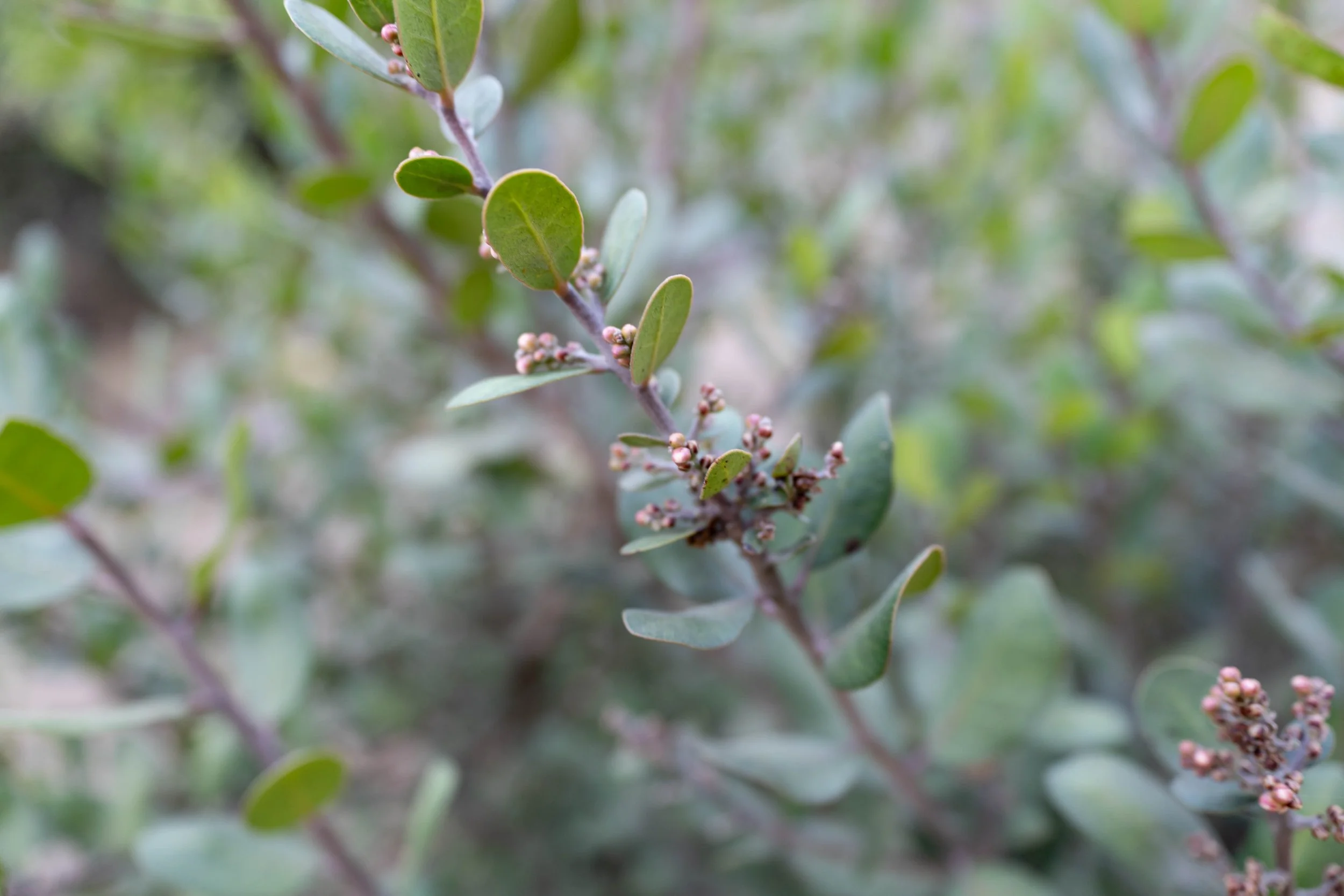
The leaves look similar to Poison Oak because it is a non-poisonus relative (in the cashew/sumac family). Though rare, allergic reactions can be triggered by the sap.
It’s a large shrub that’s drought-tolerant, fire-resistant great for erosion control and wildlife habitats.
After soaking the berries they can be used to make a lemonade-like drink or jams/jellies. Fallen leaves make a brown dye. When seed oil is extracted and left to stand it becomes a tallow to make candles (quite strongly-scented). Indigenous communities enjoyed a medicinal teas from its bark.
Curious About Trees?
If you are a fan of arboriculture, Los Angeles Recreation and Parks (RAP) has an interactive map that labels all the trees in Los Angeles County! They even list the problematic and invasive ones like the tree of heaven. Check it out!
Visit Los Angeles Recreation and Parks TreeKeeper